
Hosting an Esports Tournament: A Complete Guide to Planning a Successful Event
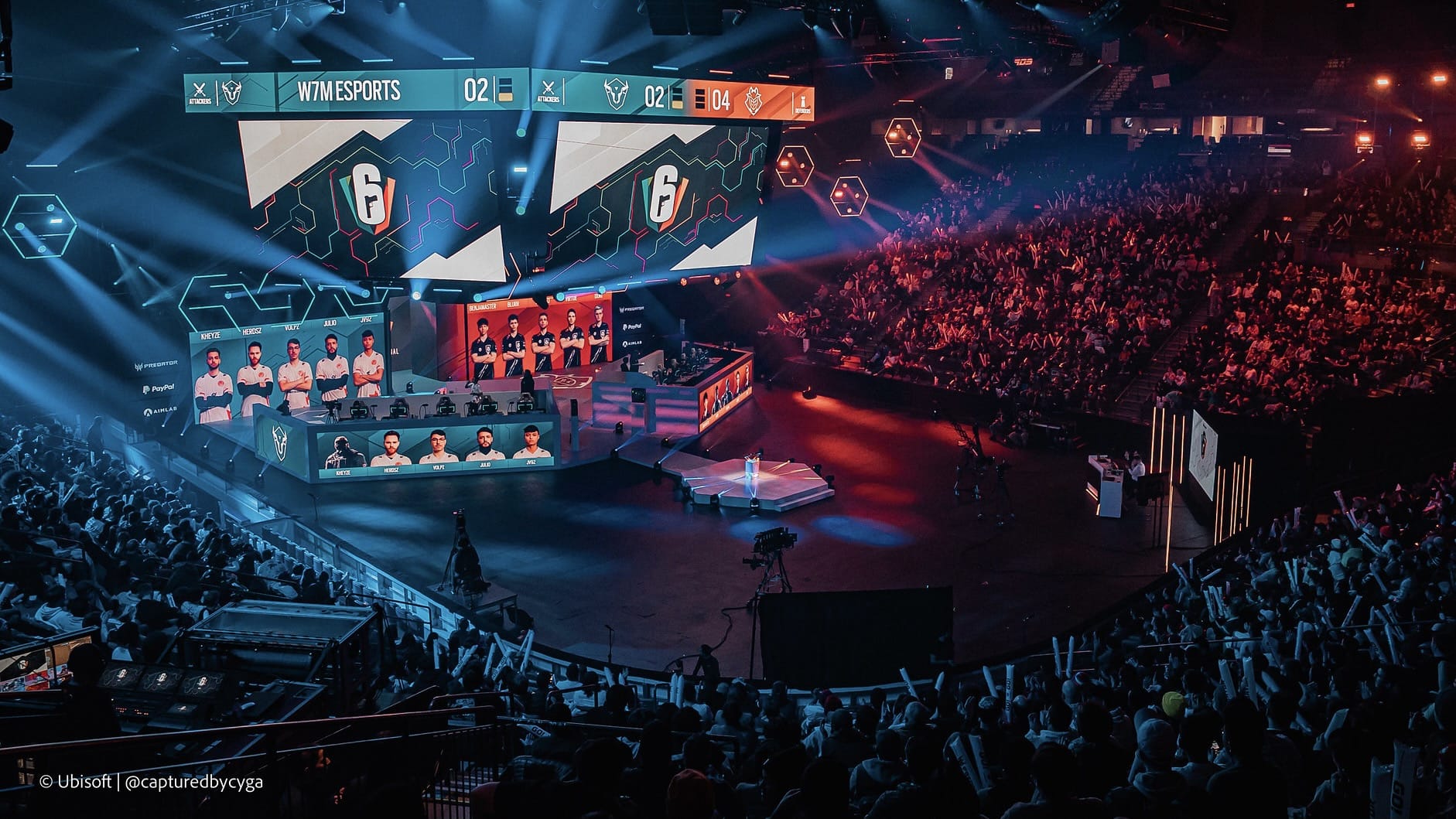
How to Host a Successful Esports Tournament
Hosting an esports tournament can bring players and fans together for a lively, competitive event. Whether you’re planning a small online competition or a larger in-person gathering, success depends on thoughtful preparation, clear communication, and reliable technology. This guide covers the key steps for organizing a tournament players will want to join.
Choose a Game and Tournament Format
Start by selecting a game that fits your audience, equipment, budget, and event size. Consider how many players you expect, whether the game supports private matches or custom lobbies, and whether participants need a particular platform or account.
Next, decide how the tournament will work. Common formats include:
- Single elimination: Teams or players are eliminated after one loss. This format is quick and easy to manage.
- Double elimination: Participants get a second chance after a loss, creating a longer competition.
- Round robin: Every participant plays against every other participant. This works well for smaller groups.
- Group stage followed by playoffs: Players compete in groups before the top finishers advance to an elimination bracket.
Choose a format that leaves enough time for matches, breaks, technical checks, and the final. For online events, account for different time zones and connection issues.
Set Clear Rules
Publish the rules before registration opens. Participants should know how to check in, report results, contact organizers, and handle disputes. Explain the match format, game settings, map or character selection process, and what happens if a player disconnects.
Your rules should also cover eligibility, team rosters, late arrivals, prohibited conduct, cheating, and penalties. If prizes are offered, state who can claim them, how winners are verified, and when prizes will be delivered. Clear rules help prevent confusion and allow organizers to resolve issues consistently.
Plan the Budget and Prizes
Build a budget before making commitments. Potential expenses include venue rental, internet service, equipment, streaming and production, staff, marketing, insurance, and prizes. For an online tournament, costs may be lower, but you may still need software, moderation, graphics, or technical support.
Prizes can motivate players, but they should match the scale of the event and the available budget. They don’t have to be cash. Gift cards, gaming accessories, sponsor products, or recognition can also reward participants. Make sure any prize terms are easy to understand and comply with applicable laws and platform policies.
Pick the Right Venue or Online Platform
For an in-person tournament, choose a venue with enough space, power outlets, comfortable seating, and reliable internet. Check accessibility, food and drink options, parking or transit access, and any venue requirements for equipment or event operations.
For an online tournament, select tools for registration, brackets, communication, and match reporting. Test them in advance, and provide participants with one central place to find schedules, rules, announcements, and support contacts.
In either setting, test the game and equipment before the event. Confirm that devices, controllers, accounts, updates, and network connections are ready. A practice session can reveal problems while there’s still time to fix them.
Open Registration and Promote the Event
Create a straightforward registration process. Collect only the information you need, such as player names, team details, contact information, and relevant game IDs. Set a registration deadline and maximum participant count, and explain whether substitutes are allowed.
Promote the tournament where your audience spends time, such as gaming communities, social media, local clubs, schools, or community centers. Share the game, date, time zone, format, eligibility requirements, registration link, and prize details. Post reminders as the event approaches, especially about check-in and match times.
Prepare Staff and Event-Day Operations
Assign clear responsibilities. Depending on the event, organizers may need people to manage registration, update brackets, answer player questions, resolve disputes, handle technical issues, moderate chat, and coordinate any broadcast.
Prepare a detailed schedule and share it with participants. Include check-in, opening announcements, match windows, breaks, playoffs, and the awards or closing segment. Have a backup plan for common problems, such as a delayed match, a failed stream, or a player who cannot connect.
During the event, communicate changes promptly. Keep announcements consistent across your chosen channels, and make sure participants know how to reach an organizer.
Create a Respectful and Safe Environment
Set expectations for sportsmanship and respectful communication. Prohibit harassment, threats, hate speech, and disruptive behavior, and explain how to report concerns. Make sure staff know how to respond and who has authority to enforce the rules.
If minors may participate, consider appropriate consent and supervision procedures. For in-person events, plan for accessibility, crowd management, and basic health and safety needs. For online events, moderate public chat and avoid sharing participants’ personal information.
Review the Event and Follow Up
After the tournament, announce the results, recognize participants and staff, and deliver prizes according to the published terms. Thank sponsors and community partners, if applicable. A brief feedback survey can help you learn what worked and what needs improvement.
Review registration numbers, match timing, technical issues, and participant feedback. Use those lessons to improve your next event. Consistency and follow-through help build trust and give players a reason to return.
Final Thoughts
A successful esports tournament is more than a bracket and a game. It combines a suitable format, clear rules, reliable technology, organized staff, and a welcoming atmosphere. Plan around the player experience, prepare for problems before they happen, and communicate throughout the event. With those foundations in place, even a small tournament can feel professional, fair, and fun.
Essential FAQs for Successfully Hosting an Esports Tournament
- How do I choose the right game and tournament format?
- How many players or teams should an esports tournament accommodate?
- What rules and eligibility requirements should I set?
- What equipment, software, and internet setup do I need?
- How do I create a tournament bracket and schedule matches?
- How can I promote the tournament and attract participants?
- What should I budget for, and how should I plan prizes?
- How do I handle technical problems, disputes, and unsportsmanlike conduct?
How do I choose the right game and tournament format?
Choose a game your audience enjoys and that fits your budget, equipment, platform, and expected player count. Check that it supports the setup you need, such as private lobbies or custom matches, and consider players’ skill levels and familiarity with the game. Then choose a format that fits your schedule: single elimination is fast and simple, double elimination gives players another chance, and round robin works well for smaller groups. For larger events, a group stage followed by playoffs can balance broad participation with an exciting finish.
How many players or teams should an esports tournament accommodate?
The right number of players or teams depends on your game, tournament format, schedule, venue, and staffing. For a first event, start with a manageable field—such as 8–16 teams or 16–32 individual players—so matches can finish on time and organizers can handle questions or technical issues. Estimate match duration, include time for check-in and breaks, and consider how many stations or online lobbies are available. A smaller, well-run tournament is often a better experience than a larger event that’s difficult to manage.
What rules and eligibility requirements should I set?
Set rules that explain who can participate, how to register and check in, match formats and settings, schedules, disconnects, result reporting, disputes, and penalties for cheating or disruptive behavior. Eligibility requirements may include age limits, region or residency, game rank, platform, and team roster size; keep them relevant, fair, and clearly stated before registration opens. If you offer prizes, explain who can receive them and how they’ll be awarded, and make sure your rules follow the game publisher’s policies and applicable laws.
What equipment, software, and internet setup do I need?
The equipment, software, and internet setup depend on whether your tournament is online or in person. At minimum, plan for the game and compatible PCs or consoles, controllers or peripherals, power and display equipment, and a reliable broadband connection; for online events, players will need their own setups and stable connections. Use tournament-management software for registration, brackets, schedules, and results, plus a communication platform for announcements and support. If you’re streaming, add capture equipment, microphones, cameras, and broadcasting software. Test everything—including game versions, accounts, network performance, and backup connections—before the event, and assign someone to handle technical issues.
How do I create a tournament bracket and schedule matches?
To create a tournament bracket, first choose a format—such as single elimination, double elimination, or round robin—based on the number of players and the time available. Use a bracket or tournament management tool to enter participants, seed them if needed, and generate matchups; for an uneven number of entrants, the tool can assign byes. Then set match times with enough room for each game, breaks, and possible delays, while considering players’ time zones and availability. Share the bracket, schedule, rules, and a way to report results before the tournament, and update them promptly if anything changes.
How can I promote the tournament and attract participants?
Promote your tournament where your target players already spend time, including gaming communities, social media, esports forums, local clubs, and school or campus groups. Share the game, date and time, format, eligibility rules, prizes, and a simple registration link, then post reminders as the event approaches. Partnering with streamers, community organizers, or sponsors can help expand your reach, while clear rules and an appealing player experience can encourage participants to invite friends.
What should I budget for, and how should I plan prizes?
Budget for the costs your event actually needs, such as venue rental, equipment, internet, staff, streaming or production, marketing, payment fees, and any permits or insurance; online tournaments may still require software, technical support, and moderation. Set aside a contingency fund for unexpected expenses, and decide on prizes only after essential costs are covered. Prizes can be cash, gift cards, gaming gear, or sponsor products, but keep them within budget and publish the prize amounts, eligibility requirements, winner verification process, and delivery timeline before registration opens. Check applicable laws and platform rules, especially if entry fees or cash prizes are involved.
How do I handle technical problems, disputes, and unsportsmanlike conduct?
Publish clear procedures before the tournament so players know what to do if a connection drops, equipment fails, or a match result is disputed. Designate a technical support contact, allow pauses only under stated conditions, and explain whether a match will resume, restart, or be forfeited. For disputes, require players to report the issue promptly and provide relevant evidence, such as screenshots or match records; have an impartial organizer review it and communicate the decision consistently. Set expectations for respectful behavior, provide a private way to report misconduct, and apply stated consequences—such as a warning, match penalty, or disqualification—fairly and consistently.


Leave a Comment