
CSGO Open Tournaments: How to Compete and Get Started
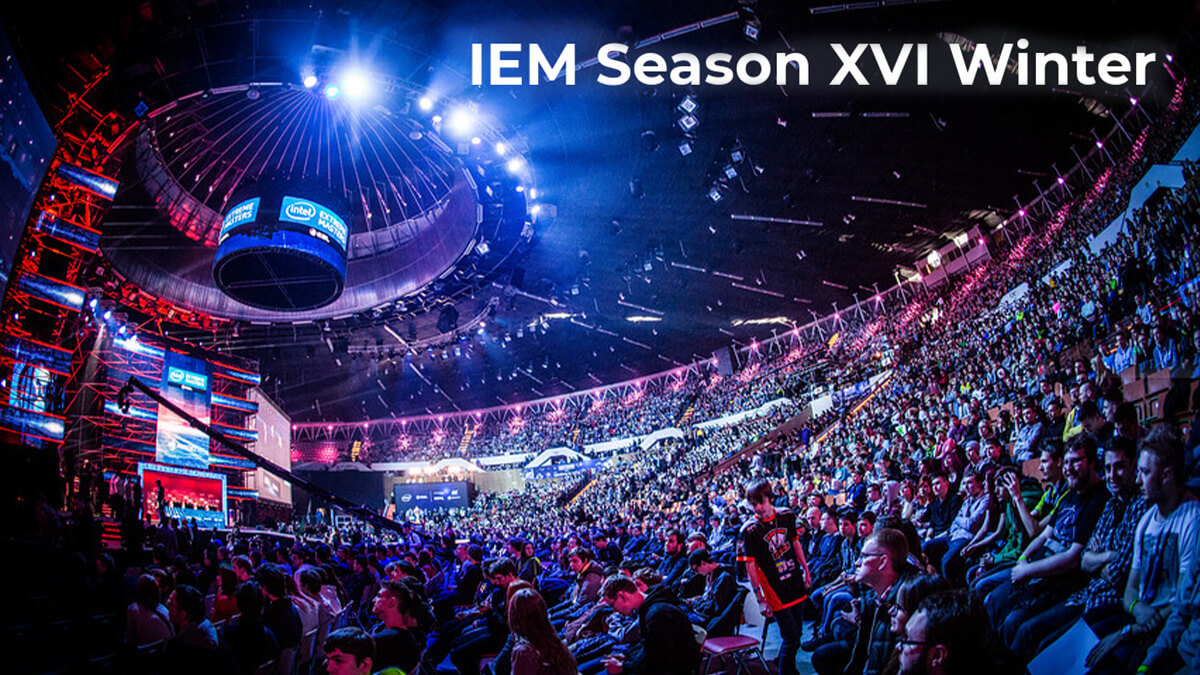
CS:GO Open Tournaments: How to Compete and Get Started
CS:GO open tournaments give players a chance to compete, test their skills, and experience organized Counter-Strike without needing an invitation or a professional team. Many events welcome anyone who meets the registration requirements, making them a practical starting point for players interested in competitive play.
Although Counter-Strike 2 (CS2) has replaced Counter-Strike: Global Offensive (CS:GO), players still commonly use the phrase “CS:GO tournaments” when searching for Counter-Strike competitions. Check each event’s details to confirm which game version it supports.
What Is an Open Tournament?
An open tournament is a competition that allows eligible players or teams to register directly. Unlike invite-only events, open tournaments do not require a prior ranking, a professional contract, or a qualifying invitation. Some are casual community competitions, while others offer a path into larger events through qualifying rounds.
Tournament formats vary. An event may use single elimination, where one loss means a team is out; double elimination, which allows a second chance after a loss; or round-robin play, where teams compete against multiple opponents. Matches may be played as best-of-one or best-of-three series.
Who Can Participate?
Requirements depend on the organizer. Common rules cover minimum age, region, account standing, team size, and player eligibility. Some tournaments are open to solo players who are assigned to a team, while others require a complete roster before registration.
Before signing up, read the tournament rules carefully. Pay close attention to registration deadlines, check-in times, match scheduling, server regions, map selection, and policies for substitutes or no-shows. Confirm that every teammate meets the requirements.
How to Find and Join a CS:GO Open Tournament
- Find an event: Look for tournaments on esports platforms, community servers, gaming organizations, and tournament websites.
- Review the rules: Check the supported game, format, eligibility requirements, schedule, and any entry fees or prizes.
- Register: Create or update your account on the event platform and enter as a solo player or team, as required.
- Check in: Many events require players to confirm their participation shortly before the tournament begins.
- Prepare for match day: Make sure your game, voice chat, and internet connection are working, and be ready to follow the organizer’s instructions.
How to Prepare
Good preparation includes more than practicing aim. Teams should agree on roles, communication habits, and basic strategies before the event. Review the map pool, practice common situations, and decide how the team will respond to different rounds. Clear, calm communication can be just as important as individual mechanics.
It also helps to check your settings and equipment in advance. Test your microphone, confirm that your game is updated, and avoid making major changes to your setup right before a match. Arrive on time and leave enough room in your schedule for delays or longer series.
Why Play in Open Tournaments?
Open tournaments offer a structured way to gain competitive experience. Players can learn how they perform under pressure, meet teammates, and identify areas to improve. Regular competition also helps teams practice coordination and adapt to different opponents.
Not every event offers cash prizes, and prize details can vary. For many players, the main benefits are the experience, community, and opportunity to compete. Treat each tournament as a chance to learn, whether your team wins or loses.
Fair Play and Sportsmanship
Competitive events depend on fair play. Follow the rules, respect opponents and administrators, and report problems through the tournament’s official process. Cheating, harassment, match manipulation, or abusive behavior can lead to penalties or removal from an event. Good sportsmanship helps make tournaments more enjoyable for everyone.
Start Competing
CS:GO open tournaments can be a welcoming entry point into organized Counter-Strike competition. Choose an event that fits your experience and schedule, understand the rules, and prepare with your team. Whether you are playing your first bracket or working toward higher-level competition, every match can help you become a stronger player.
9 Tips for Competing in CS:GO Open Tournaments
- Check tournament rules and eligibility before registering.
- Form a reliable team with clear roles.
- Practice together on tournament maps.
- Warm up your aim before matches.
- Communicate calmly and share useful callouts.
- Review demos to spot repeat mistakes.
- Manage your time around check-ins and match starts.
- Keep backup players available when rules allow.
- Stay respectful, even after a tough loss.
Check tournament rules and eligibility before registering.
Before registering for a CS:GO open tournament, carefully review the rules and eligibility requirements to make sure you and your team qualify. Check details such as age and region limits, roster size, game version, registration deadlines, match schedules, and any restrictions on substitutes or player accounts. Understanding these requirements ahead of time can help prevent delays, disqualification, or surprises on match day.
Form a reliable team with clear roles.
Form a reliable team with clear roles so everyone knows how to contribute during a match. Assign responsibilities—such as entry fragger, support, AWPer, lurker, and in-game leader—based on each player’s strengths, then practice communication and strategies together. A dependable roster that shows up on time, communicates calmly, and trusts one another can make better decisions under pressure and perform more consistently in CS:GO open tournaments.
Practice together on tournament maps.
Practice together on the maps featured in your CS:GO open tournament to build coordination and confidence before match day. Work on callouts, common angles, utility lineups, and strategies for both sides, then scrim as a team to apply them under pressure. Knowing the maps individually is useful, but practicing together helps everyone communicate clearly and make better decisions as a unit.
Warm up your aim before matches.
Warm up your aim before a CS:GO open tournament match so you can start focused and ready. Spend a few minutes in an aim-training map, deathmatch, or the practice range working on crosshair placement, tracking, and controlled bursts. Keep the warm-up short and consistent; the goal is to get comfortable with your settings and movement, not to tire yourself out before the match.
Communicate calmly and share useful callouts.
Communicate calmly and share clear, useful callouts throughout the match. Give teammates concise information about enemy locations, movement, damage, and your plans, while avoiding unnecessary chatter that can distract from the round. A steady, respectful tone helps everyone stay focused, make better decisions, and work together under pressure.
Review demos to spot repeat mistakes.
Reviewing match demos is one of the best ways to improve in CS:GO open tournaments. After each match, watch key rounds to identify mistakes that keep happening, such as taking the same risky peek, missing utility timing, or failing to communicate a rotation. Focus on one or two patterns at a time, discuss practical fixes with your team, and apply them in your next scrim or tournament match.
Manage your time around check-ins and match starts.
Plan your day around tournament check-ins and match start times, since missing either can cost your team its spot or result in a forfeit. Check the schedule in advance, note the time zone, and set reminders for check-in and each match. Give yourself extra time to launch the game, join the tournament lobby, and resolve any technical issues so your team is ready when play begins.
Keep backup players available when rules allow.
Keep backup players available when tournament rules allow it. A substitute can help your team stay in the competition if a player is unavailable, disconnects, or has an unexpected issue. Confirm the event’s substitution policy in advance, register eligible backups when required, and make sure they know your team’s strategies and communication plan.
Stay respectful, even after a tough loss.
Stay respectful, even after a tough loss. Competitive matches can be intense, but congratulating your opponents, communicating calmly with teammates, and avoiding insults or blame shows good sportsmanship. A respectful attitude helps keep the tournament enjoyable for everyone and builds a positive reputation in the community.


Leave a Comment