
How to Find Local Gaming Tournaments Near Me
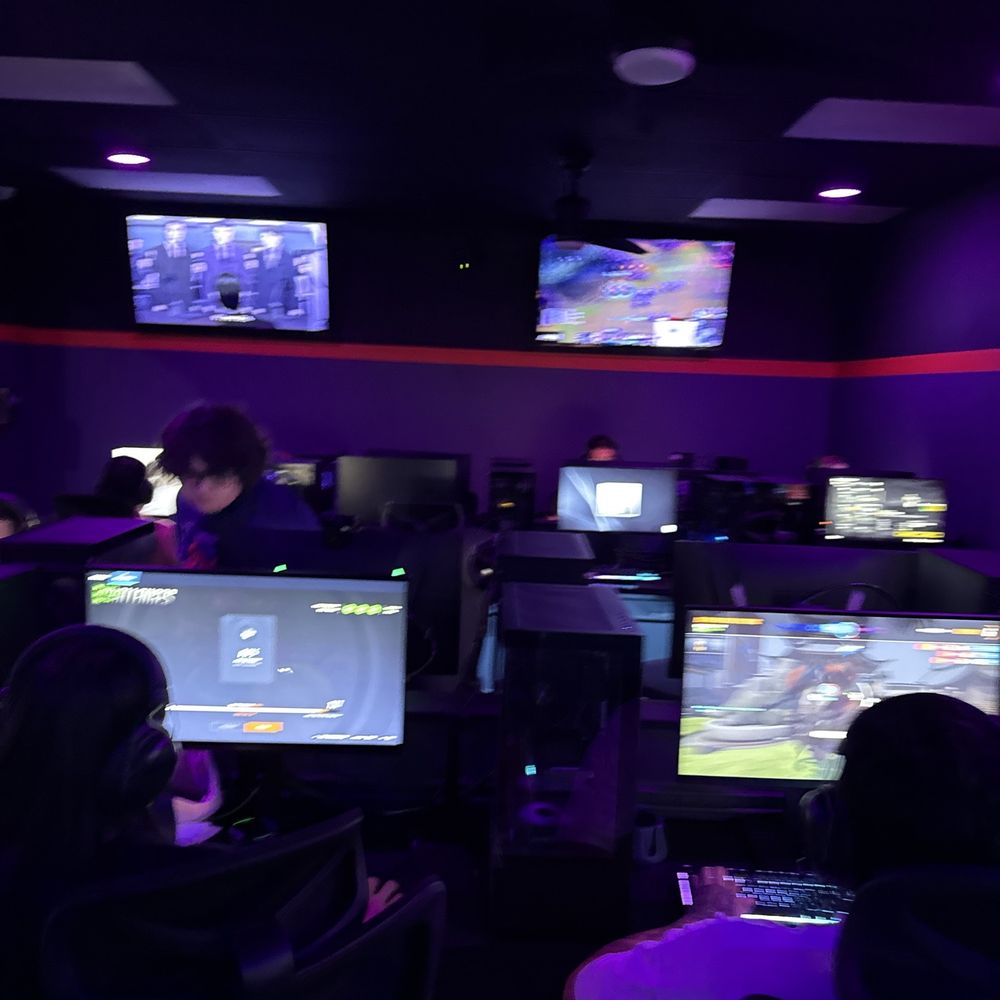
How to Find Local Gaming Tournaments Near You
Searching for “local gaming tournaments near me” is a great first step toward competing, meeting other players, and enjoying your favorite games in person. Tournaments take place at gaming cafés, esports venues, community centers, colleges, conventions, and local game stores. With a little research, you can find an event that fits your game, skill level, schedule, and budget.
Where to Look for Nearby Tournaments
- Gaming cafés and esports venues: Check their websites and social media pages for weekly events, registration details, and featured games.
- Local game stores: Many host tournaments for fighting games, trading card games, and other competitive titles.
- Community centers and colleges: Campus gaming clubs and community programs may welcome local players, including people who are not students or members.
- Conventions and gaming events: Regional conventions often run tournaments alongside their other activities.
- Online event platforms and community groups: Search by your city or region, and follow local gaming groups to hear about new events.
Search using the name of your city or neighborhood along with your game—for example, “fighting game tournament in [city]” or “local esports events near [city].” You can also check the game’s official community channels, since organizers sometimes announce events there.
Choose a Tournament That Fits You
Before signing up, confirm which game and platform the tournament uses. A competition may be for a specific title, console, or ruleset. Check whether the event is open to beginners, has separate divisions, or requires prior competitive experience. Smaller community tournaments can be a comfortable way to try competing for the first time.
Read the event details carefully. Look for the date, start time, venue, registration deadline, entry fee, tournament format, prize information, and rules. If anything is unclear, contact the organizer before registering.
What to Expect at an In-Person Event
Local tournaments may use formats such as single elimination, double elimination, round robin, or team play. Some venues provide gaming stations, while others ask players to bring their own controllers or equipment. Arrive early enough to check in, learn the venue rules, and warm up if practice time is available.
Good tournament etiquette matters. Be respectful to opponents and staff, follow the rules, and ask for clarification if a ruling is unclear. Even if you do not win, a local event can be a useful chance to learn, make connections, and find other players to practice with.
Prepare Before You Go
- Confirm your registration and review the event schedule.
- Check whether you need to bring a controller, headset, or other equipment.
- Make sure your gear is compatible with the venue’s systems.
- Plan your transportation and arrive with enough time to check in.
- Bring water and any other essentials allowed by the venue.
Make the Most of Your First Tournament
Your first event does not have to be about winning. Set a simple goal, such as completing your matches, trying a new strategy, or meeting other players. Afterward, think about what went well and what you want to practice before your next competition.
Local gaming tournaments are a fun way to take your interest in gaming beyond the screen. Search for events in your area, review the details, and choose one that feels like a good fit. The next tournament near you could be the start of a new hobby, a stronger gaming community, or a memorable competitive experience.
5 Benefits of Joining Local Gaming Tournaments Near You
- Meet local players who share your interests.
- Compete in a fun, welcoming environment.
- Improve your skills through real matches.
- Discover gaming communities in your area.
- Enjoy convenient events close to home.
5 Downsides of Local Gaming Tournaments Near You
- Events may be far away.
- Entry fees can add up.
- Tournament times may change.
- Popular events can fill quickly.
- Skill levels may vary widely.
Meet local players who share your interests.
Local gaming tournaments make it easy to meet players nearby who share your favorite games and competitive interests. Between matches, you can swap strategies, talk about upcoming releases, and find people to practice with after the event. These connections can turn a one-day tournament into a welcoming local community where you feel encouraged to play, learn, and come back for more.
Compete in a fun, welcoming environment.
Local gaming tournaments offer a fun, welcoming environment where players can enjoy friendly competition and connect with others who share their interests. Whether you’re new to tournaments or have plenty of experience, you can play at your own pace, learn from each match, and celebrate the excitement of the game in a supportive community.
Improve your skills through real matches.
Local gaming tournaments give you the chance to improve your skills through real matches against a variety of opponents. You can practice making decisions under pressure, test new strategies, and learn from each win and loss. Playing in person also helps you spot habits you might miss during casual games, so you can leave with clearer ideas about what to work on next.
Discover gaming communities in your area.
Local gaming tournaments are a great way to discover gaming communities in your area. By attending an event, you can meet players who enjoy the same games, exchange tips, find practice partners, and learn about other local competitions. Whether you’re new to the scene or a longtime competitor, these connections can help you feel more at home in your local gaming community.
Enjoy convenient events close to home.
Local gaming tournaments make it easy to enjoy competitive play without traveling far from home. Nearby events can save time and transportation costs, fit more easily into your schedule, and let you spend more time playing and connecting with other gamers in your community.
Events may be far away.
One drawback of local gaming tournaments is that “near me” can still mean a long trip. Events may be held in a neighboring city or at a venue that’s difficult to reach, adding travel time and costs for gas, parking, or public transportation. Before registering, check the venue’s location, transportation options, and schedule to make sure the trip works for you.
Entry fees can add up.
Entry fees can add up, especially if you enter tournaments regularly or compete in several games. Some events also have extra costs, such as travel, parking, food, or equipment, so the total can be higher than the registration price alone. Check the full cost before signing up and look for free community events or lower-cost tournaments to stay within your budget.
Tournament times may change.
Tournament times may change, which can make it difficult to plan your day, arrange transportation, or coordinate with friends. Matches may start late if earlier rounds run long, or organizers may adjust the schedule because of technical issues or other delays. Check the event’s official page and messages before you leave, and allow extra time in case the schedule shifts.
Popular events can fill quickly.
Popular local gaming tournaments can fill up quickly, especially when they feature a well-known game, offer prizes, or have limited space. Waiting too long to register may mean missing out or ending up on a waitlist. Check event pages and community announcements regularly, and sign up as soon as registration opens.
Skill levels may vary widely.
One drawback of local gaming tournaments is that skill levels may vary widely. Beginners might face highly experienced players, which can make matches feel intimidating or uneven, while advanced competitors may find that some games offer little challenge. Checking the event description for skill divisions, beginner-friendly brackets, or matchmaking details can help set expectations and make the experience more enjoyable.


Leave a Comment