
Empowering New Managers: Leadership Training for Success
The Importance of Leadership Training for New Managers
Stepping into a management role for the first time can be both exciting and challenging. New managers often find themselves navigating a complex landscape of responsibilities, expectations, and relationships. This is where effective leadership training plays a crucial role in shaping the success of new managers.
Developing Essential Skills
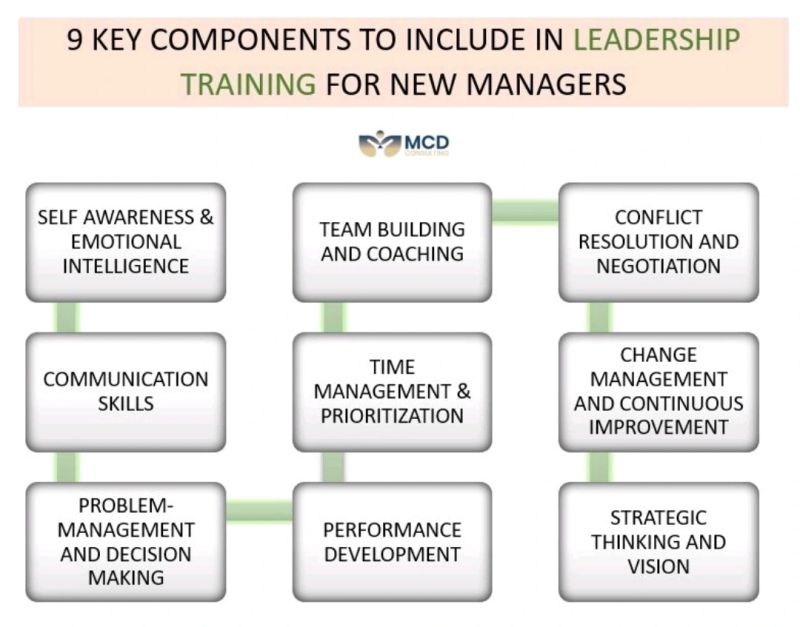
Leadership training provides new managers with the essential skills they need to excel in their roles. From communication and decision-making to conflict resolution and team building, these programs offer valuable insights and strategies that help new managers navigate the complexities of their positions.
Fostering Confidence and Empowerment
By equipping new managers with the knowledge and tools necessary to lead effectively, leadership training helps build their confidence and sense of empowerment. This confidence not only benefits the individual manager but also positively impacts their team members, creating a more productive and cohesive work environment.
Promoting Continuous Growth
Leadership training is not just a one-time event but an ongoing process that promotes continuous growth and development. Through workshops, seminars, coaching sessions, and other learning opportunities, new managers can refine their leadership skills, adapt to changing circumstances, and stay ahead in an ever-evolving business landscape.
Building Stronger Teams
Effective leadership is key to building strong and high-performing teams. Leadership training for new managers emphasizes the importance of fostering collaboration, nurturing talent, and creating a culture of trust and respect within the team. By implementing these principles, new managers can cultivate a motivated and engaged workforce that drives organizational success.
Conclusion
In conclusion, leadership training plays a vital role in preparing new managers for the challenges they will face in their roles. By developing essential skills, fostering confidence, promoting continuous growth, and building stronger teams, leadership training sets new managers on a path toward success both for themselves and their organizations.
Essential FAQs on Leadership Training for New Managers: Steps, Skills, and Strategies
- What are the 5 steps in developing managers into leaders?
- What are the 5 C’s of leadership development?
- What training should new managers have?
- What are the 5 P’s of leadership?
- How do you teach leadership to managers?
- What are the 5 R’s of leadership?
What are the 5 steps in developing managers into leaders?
Developing managers into effective leaders involves a strategic process that encompasses five key steps. Firstly, identifying potential leaders within the managerial ranks is crucial. Once identified, providing targeted leadership training tailored to their needs and aspirations is essential. Encouraging hands-on experience and mentorship opportunities allows aspiring leaders to apply their newly acquired skills in real-world scenarios. Offering continuous feedback and support throughout their development journey helps refine their leadership capabilities. Lastly, recognizing and rewarding their progress and achievements reinforces a culture of growth and excellence within the organization. By following these five steps diligently, organizations can cultivate a pipeline of competent and visionary leaders from their managerial talent pool.
What are the 5 C’s of leadership development?
The 5 C’s of leadership development are crucial components that form the foundation for effective leadership training for new managers. These 5 C’s include communication, collaboration, critical thinking, creativity, and character. Communication skills are essential for conveying ideas clearly and fostering strong relationships within a team. Collaboration emphasizes the importance of working together towards common goals and leveraging diverse perspectives. Critical thinking enables managers to analyze situations, make informed decisions, and solve problems effectively. Creativity encourages innovative thinking and the ability to adapt to changing circumstances. Lastly, character underscores the significance of integrity, ethics, and leading by example in building trust and credibility as a leader. Mastering these 5 C’s is key to developing well-rounded and successful new managers in their leadership journey.
What training should new managers have?
When it comes to the training that new managers should have, a comprehensive program that covers essential leadership skills is crucial. New managers can benefit from training in areas such as communication, decision-making, conflict resolution, team building, and performance management. Additionally, courses on emotional intelligence, time management, and strategic thinking can help new managers navigate the challenges of their roles effectively. Continuous learning and development opportunities tailored to the specific needs of new managers can equip them with the tools and knowledge necessary to lead their teams successfully and drive organizational growth.
What are the 5 P’s of leadership?
The 5 P’s of leadership are often cited as a valuable framework for understanding and practicing effective leadership. These principles include Purpose, People, Process, Performance, and Progress. Purpose emphasizes the importance of having a clear vision and direction for guiding the team. People highlight the significance of building relationships, fostering collaboration, and understanding individual strengths within the team. Process focuses on implementing efficient workflows and systems to achieve organizational goals. Performance underscores the need for setting high standards, providing feedback, and recognizing achievements. Progress emphasizes continuous improvement, learning from mistakes, and adapting to change to drive success in leadership roles. By embracing these 5 P’s of leadership, new managers can cultivate a strong foundation for their leadership journey.
How do you teach leadership to managers?
Teaching leadership to managers involves a multifaceted approach that combines theoretical knowledge with practical application. Effective leadership training programs often incorporate interactive workshops, case studies, role-playing exercises, and real-world scenarios to help managers understand key leadership concepts and develop their skills. Additionally, mentorship, coaching, and feedback play a crucial role in guiding managers through their leadership journey and helping them apply what they have learned in their day-to-day responsibilities. By creating a supportive and engaging learning environment, organizations can empower managers to cultivate their leadership abilities and drive positive change within their teams and organizations.
What are the 5 R’s of leadership?
The 5 R’s of leadership are a valuable framework that new managers can use to guide their approach to leading teams effectively. These 5 R’s typically refer to the key principles of leadership: Responsibility, Respect, Resilience, Relationship-building, and Results-oriented. By understanding and embodying these principles, new managers can establish themselves as strong and effective leaders who prioritize accountability, treat others with respect, adapt to challenges with resilience, foster positive relationships within their teams, and focus on achieving tangible results that drive success. Incorporating the 5 R’s of leadership into their practices can help new managers navigate the complexities of their roles and make a meaningful impact on their teams and organizations.


Leave a Comment