
Assessing the Impact: Evaluating Leadership Development Programs for Organizational Growth
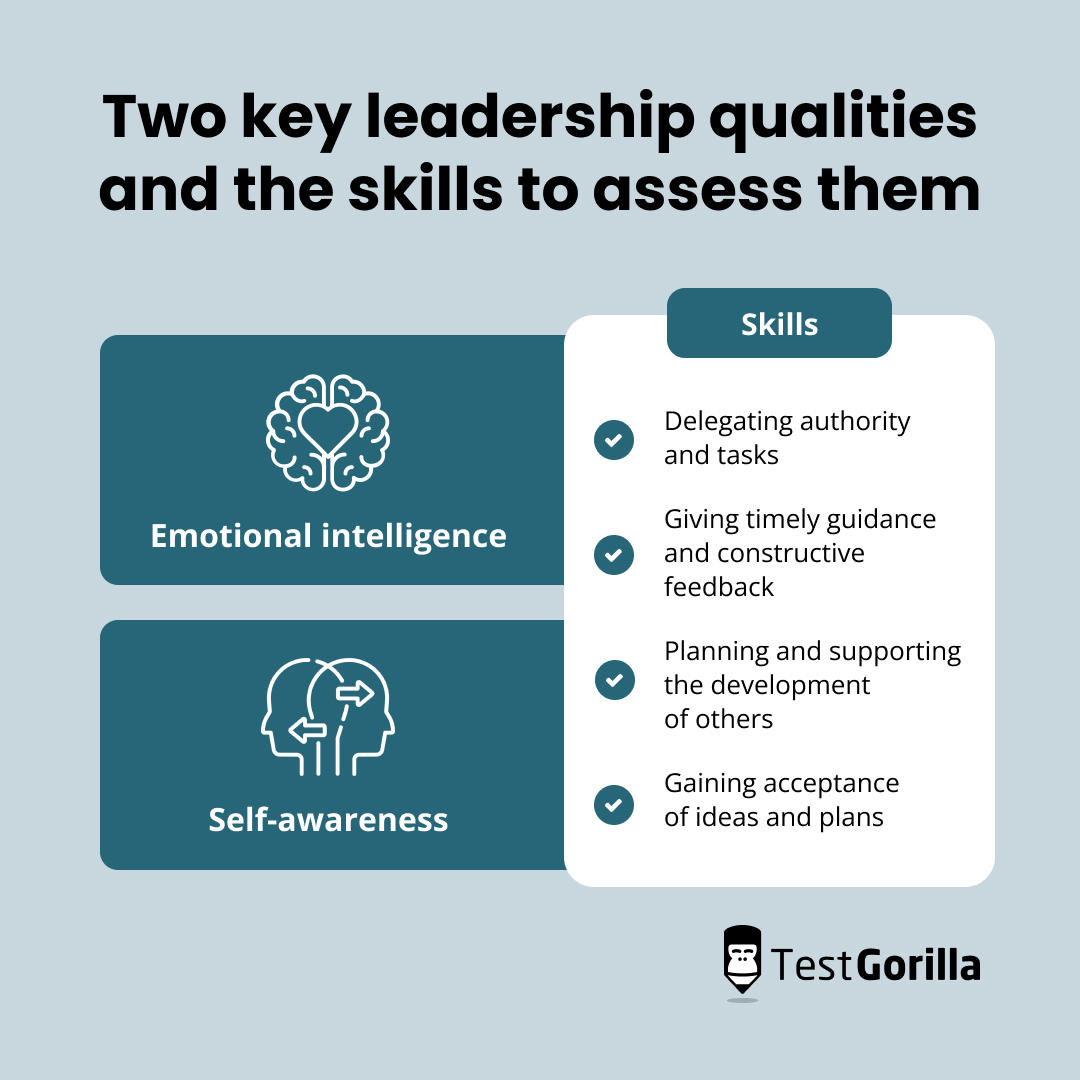
The Importance of Evaluating Leadership Development Programs
Leadership development programs play a crucial role in shaping the future of organizations by nurturing and enhancing the skills of current and potential leaders. However, to ensure that these programs are effective and impactful, it is essential to evaluate their outcomes and processes regularly.
Key Aspects to Consider in Evaluation:
**Objectives:** Evaluate whether the leadership development program aligns with the organization’s goals and objectives. Assess if the program addresses specific leadership competencies needed for success.
**Participant Feedback:** Gather feedback from participants regarding their experience with the program. Understand their perspectives on the relevance, engagement, and applicability of the content.
**Behavioral Changes:** Monitor and assess any observable changes in participants’ behavior, decision-making processes, communication styles, and overall leadership effectiveness post-program completion.
**Performance Metrics:** Measure the impact of leadership development programs on key performance indicators such as employee engagement, retention rates, productivity levels, and organizational growth.
Benefits of Evaluation:
**Continuous Improvement:** Evaluation helps in identifying strengths and areas for improvement in leadership development programs, enabling organizations to refine their strategies for better outcomes.
**ROI Analysis:** By evaluating the effectiveness of leadership programs, organizations can determine the return on investment (ROI) in terms of improved leadership capabilities translating into tangible business results.
**Strategic Alignment:** Evaluation ensures that leadership development initiatives are aligned with organizational strategies and contribute directly to achieving long-term goals.
Conclusion
Evaluating leadership development programs is not just a best practice but a necessity for organizations committed to fostering strong leadership pipelines and driving sustainable growth. By assessing outcomes, gathering feedback, and measuring impact, organizations can optimize their investment in developing future leaders who will steer them towards success.
6 Essential Tips for Evaluating Leadership Development Programs Effectively
- Clearly define the objectives and goals of the leadership development program.
- Ensure alignment with the organization’s values, culture, and strategic priorities.
- Use a variety of evaluation methods, such as surveys, interviews, and performance metrics.
- Collect feedback from participants, supervisors, and other stakeholders to gain different perspectives.
- Measure both short-term outcomes (e.g., skills acquired) and long-term impact on organizational performance.
- Regularly review and adjust the program based on evaluation results to improve effectiveness.
Clearly define the objectives and goals of the leadership development program.
To effectively evaluate a leadership development program, it is crucial to start by clearly defining its objectives and goals. By establishing specific and measurable outcomes that the program aims to achieve, organizations can assess whether the training aligns with their strategic priorities and leadership needs. Defining clear objectives also provides a roadmap for evaluating the program’s success and impact on participants’ development. Clarity in goals ensures that evaluations focus on relevant metrics and indicators, enabling organizations to make informed decisions about the effectiveness of their leadership development initiatives.
Ensure alignment with the organization’s values, culture, and strategic priorities.
To effectively evaluate leadership development programs, it is crucial to ensure alignment with the organization’s values, culture, and strategic priorities. By integrating these key elements into the program’s design and delivery, organizations can foster a cohesive approach to leadership development that resonates with the company’s ethos and long-term objectives. This alignment not only enhances the relevance and impact of the program but also reinforces a consistent organizational identity and direction, ultimately contributing to the cultivation of leaders who embody and advance the organization’s core values and strategic vision.
Use a variety of evaluation methods, such as surveys, interviews, and performance metrics.
To effectively evaluate leadership development programs, it is crucial to employ a diverse range of evaluation methods. By utilizing tools like surveys, interviews, and performance metrics, organizations can gain comprehensive insights into the effectiveness and impact of their programs. Surveys allow for gathering quantitative data and feedback from participants, while interviews provide a more qualitative understanding of individual experiences and perspectives. Performance metrics offer measurable indicators of success and can help track changes in leadership behaviors and outcomes over time. By combining these varied evaluation methods, organizations can obtain a well-rounded assessment of their leadership development initiatives and make informed decisions for continuous improvement.
Collect feedback from participants, supervisors, and other stakeholders to gain different perspectives.
To effectively evaluate leadership development programs, it is crucial to collect feedback from various sources, including participants, supervisors, and other stakeholders. Each group offers unique perspectives that can provide valuable insights into the program’s effectiveness. Participants can offer firsthand experiences on the relevance and impact of the program on their leadership skills. Supervisors can provide observations on any noticeable changes in participants’ behavior and performance. Other stakeholders, such as HR professionals or senior leaders, can offer a broader organizational perspective on how the program aligns with strategic goals and impacts overall business outcomes. By gathering feedback from diverse sources, organizations can gain a comprehensive understanding of the strengths and areas for improvement in their leadership development initiatives.
Measure both short-term outcomes (e.g., skills acquired) and long-term impact on organizational performance.
When evaluating leadership development programs, it is essential to consider both short-term outcomes, such as the skills acquired by participants, and the long-term impact on organizational performance. While short-term outcomes provide immediate insights into the effectiveness of the program in developing specific leadership competencies, assessing the long-term impact on organizational performance is crucial for understanding the overall success and sustainability of the program. By measuring both short-term and long-term effects, organizations can gain a comprehensive understanding of how leadership development initiatives contribute to enhancing individual capabilities and driving organizational growth in the long run.
Regularly review and adjust the program based on evaluation results to improve effectiveness.
Regularly reviewing and adjusting leadership development programs based on evaluation results is a critical step in enhancing their effectiveness. By carefully analyzing feedback, performance metrics, and participant experiences, organizations can identify areas for improvement and make necessary adjustments to ensure that the program remains aligned with strategic objectives. This iterative process of evaluation and adaptation helps in refining content, delivery methods, and overall program structure to better meet the evolving needs of participants and the organization. Ultimately, this commitment to continuous improvement leads to a more impactful and successful leadership development initiative.


Leave a Comment