
Empowering Tomorrow’s Leaders: The Strategic Leadership Development Programme
The Importance of Strategic Leadership Development Programmes
In today’s rapidly evolving business landscape, the role of strategic leaders is more crucial than ever. Organizations need visionary individuals who can navigate complexity, drive innovation, and inspire teams to achieve success. This is where strategic leadership development programmes play a vital role.
What is a Strategic Leadership Development Programme?
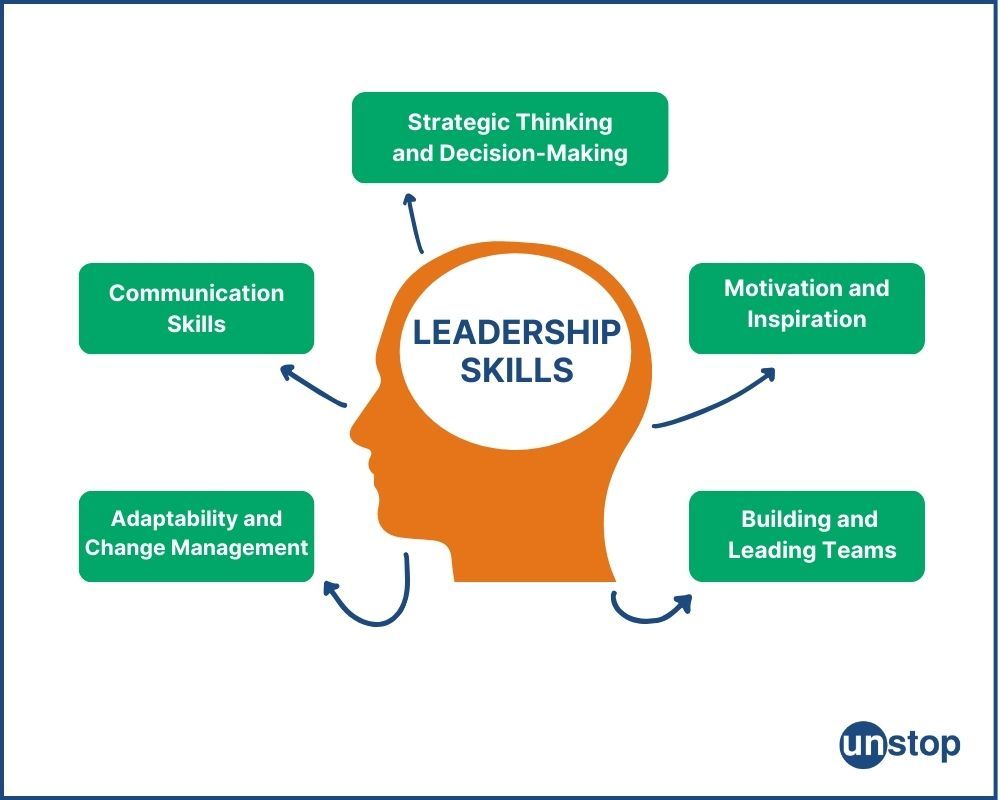
A strategic leadership development programme is designed to equip current and future leaders with the skills, knowledge, and mindset needed to lead effectively in dynamic environments. These programmes focus on honing strategic thinking, decision-making abilities, communication skills, and emotional intelligence.
The Benefits of Strategic Leadership Development
Enhanced Decision-Making: Strategic leaders are trained to analyze situations critically, consider various perspectives, and make informed decisions that align with organizational goals.
Improved Innovation: By fostering a culture of creativity and encouraging out-of-the-box thinking, strategic leadership development programmes empower leaders to drive innovation within their teams.
Stronger Team Engagement: Effective leaders inspire trust, motivate team members, and create a positive work environment. Through leadership development initiatives, individuals learn how to build cohesive teams that are aligned towards a common vision.
Conclusion
Investing in strategic leadership development programmes not only benefits individual leaders but also contributes to the overall success and sustainability of organizations. By nurturing capable and forward-thinking leaders, businesses can adapt to change, seize opportunities, and thrive in an increasingly competitive market.
7 Essential Tips for Crafting an Effective Strategic Leadership Development Program
- Clearly define the goals and objectives of the leadership development programme.
- Identify key competencies and skills that leaders need to develop.
- Provide opportunities for hands-on experience and practical application of leadership concepts.
- Offer regular feedback and coaching to participants to support their growth.
- Encourage collaboration and teamwork among participants to enhance their leadership capabilities.
- Include modules on emotional intelligence, decision-making, communication, and other essential leadership skills.
- Evaluate the effectiveness of the programme through assessments, surveys, and follow-up sessions.
Clearly define the goals and objectives of the leadership development programme.
It is essential to clearly define the goals and objectives of a strategic leadership development program to ensure its effectiveness. By establishing specific and measurable targets, organizations can align the program with their overall vision and strategic priorities. Clear goals provide direction for participants, helping them understand what is expected of them and how their development will contribute to the organization’s success. Additionally, well-defined objectives enable leaders to track progress, evaluate outcomes, and make necessary adjustments to optimize the impact of the leadership development initiative.
Identify key competencies and skills that leaders need to develop.
To enhance strategic leadership development effectively, it is essential to identify the key competencies and skills that leaders need to cultivate. By pinpointing these critical areas, such as strategic thinking, decision-making, communication, and emotional intelligence, organizations can tailor their leadership development programs to address specific needs and empower leaders to succeed in navigating complex challenges and driving innovation within their teams. This targeted approach ensures that leaders are equipped with the necessary tools and capabilities to lead effectively in today’s dynamic business environment.
Provide opportunities for hands-on experience and practical application of leadership concepts.
Providing opportunities for hands-on experience and practical application of leadership concepts is a key tip in strategic leadership development programs. By allowing participants to directly apply their learning in real-world scenarios, individuals can deepen their understanding of leadership principles, hone their decision-making skills, and develop confidence in their abilities. This approach not only reinforces theoretical knowledge but also cultivates practical leadership competencies that are essential for effective leadership in dynamic environments. Encouraging experiential learning ensures that leaders are better equipped to navigate challenges, inspire their teams, and drive organizational success.
Offer regular feedback and coaching to participants to support their growth.
Providing regular feedback and coaching to participants is a crucial aspect of a successful strategic leadership development program. By offering constructive feedback and personalized coaching, participants can receive valuable insights into their strengths and areas for improvement. This continuous support not only helps individuals enhance their leadership skills but also fosters a culture of learning and growth within the organization. Effective feedback and coaching empower participants to make meaningful progress, develop their potential, and ultimately contribute to the overall success of the strategic leadership development program.
Encourage collaboration and teamwork among participants to enhance their leadership capabilities.
Encouraging collaboration and teamwork among participants in a strategic leadership development program is a powerful strategy to enhance their leadership capabilities. By fostering a collaborative environment, individuals learn to leverage diverse perspectives, share knowledge, and collectively solve challenges. Through teamwork, participants develop essential skills such as communication, conflict resolution, and empathy, which are integral to effective leadership. Collaboration not only strengthens relationships among participants but also cultivates a sense of unity and shared purpose, ultimately equipping them to lead with greater impact and success in their organizations.
Include modules on emotional intelligence, decision-making, communication, and other essential leadership skills.
A key tip for designing a strategic leadership development program is to incorporate modules that focus on crucial aspects such as emotional intelligence, decision-making, communication, and other essential leadership skills. By including these components in the program, participants can enhance their ability to understand and manage emotions effectively, make sound decisions based on critical analysis, communicate persuasively with clarity and empathy, and develop a well-rounded skill set that is vital for effective leadership in today’s dynamic business environment.
Evaluate the effectiveness of the programme through assessments, surveys, and follow-up sessions.
To ensure the success of a strategic leadership development program, it is essential to evaluate its effectiveness through various means such as assessments, surveys, and follow-up sessions. These evaluation methods provide valuable insights into the impact of the program on participants’ skills, behaviors, and overall leadership capabilities. By gathering feedback and data through assessments and surveys, organizations can identify areas of strength and areas for improvement within the program. Follow-up sessions allow for continuous learning and adjustment based on feedback, ensuring that the leadership development initiative remains relevant and impactful in driving organizational growth and success.


Leave a Comment