
Spider Solitaire 2: Tips, Rules, and Strategies for Winning
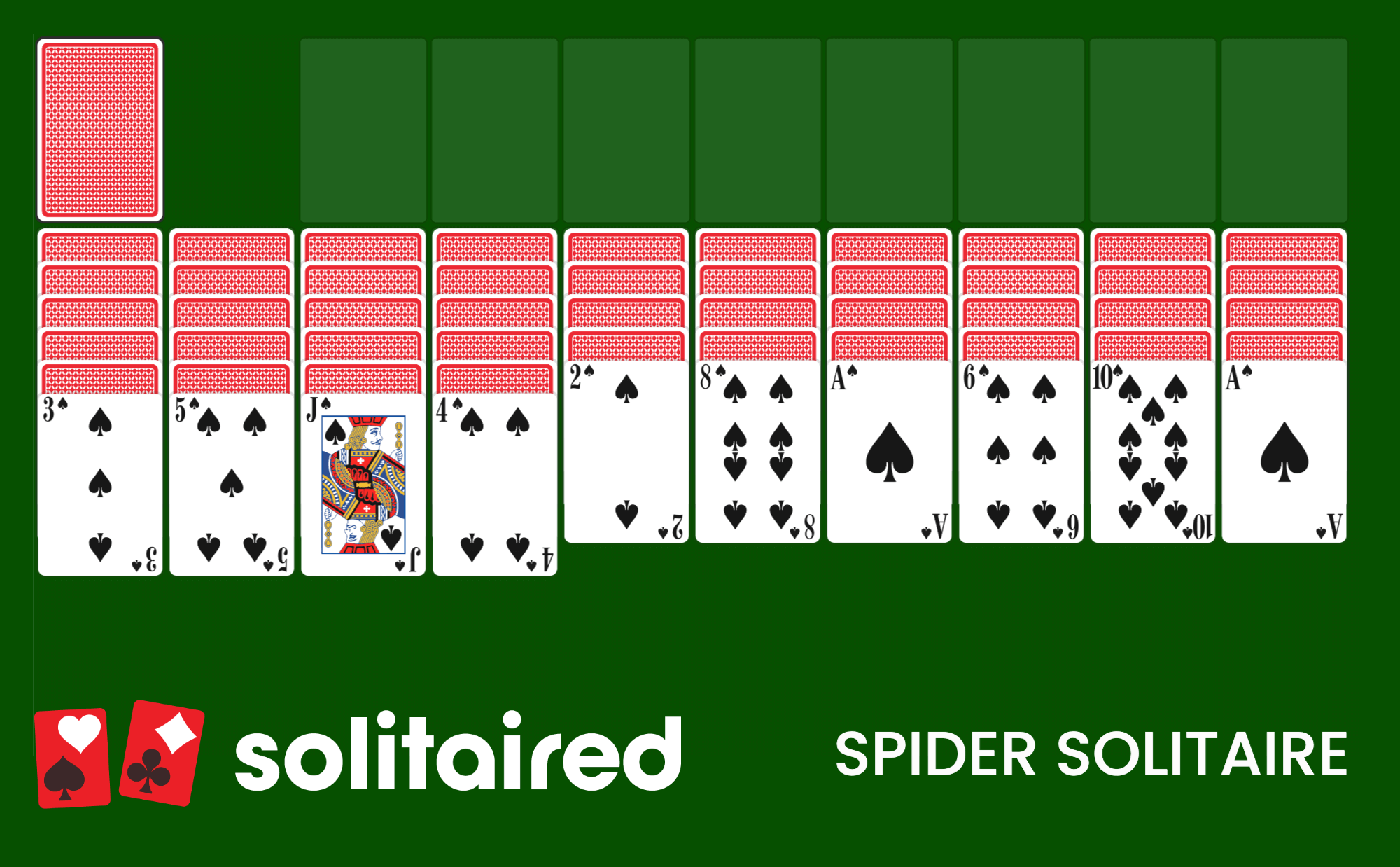
Spider Solitaire 2: A Guide to the Two-Suit Challenge
Spider Solitaire 2 is a popular variation of Spider Solitaire that uses two suits instead of one or four. It offers a satisfying middle ground: more challenging than the beginner-friendly one-suit game, but less demanding than the full four-suit version. The goal is to organize the cards into complete sequences and clear them from the playing field.
How to Play
The game is played with two standard decks, for a total of 104 cards. In a typical two-suit version, the decks use two suits, such as spades and hearts. The cards are dealt into ten columns, with some cards face down and the top card of each column face up. The remaining cards form the stock.
Move cards between columns in descending order, such as a 9 onto a 10. You can move a group of cards together when they form a descending sequence in the same suit. When a column is empty, any available card or movable sequence can be placed there.
When you have no useful moves, deal a new row from the stock. Most versions require every column to contain at least one card before you can deal. A complete sequence from King down to Ace in one suit is removed from the tableau. Clear all eight sequences to win.
Why Two-Suit Spider Solitaire Is Popular
The two-suit format adds an important layer of planning. In one-suit Spider Solitaire, every descending sequence can be built in the same suit. With two suits, cards may be in descending rank but still belong to different suits, making them harder to move as a group. Players must think beyond the next available move and look for ways to build clean, same-suit sequences.
That balance makes Spider Solitaire 2 appealing to both newer players and experienced card-game fans. It rewards careful decisions without making every deal feel overwhelmingly complex.
Tips for Better Play
- Uncover face-down cards early. Turning over hidden cards reveals new options and helps you plan.
- Build same-suit sequences when possible. Mixed-suit runs can be useful, but they are less flexible when you need to move a group.
- Use empty columns thoughtfully. An open column gives you room to rearrange cards, so avoid filling it without a clear purpose.
- Be cautious before dealing from the stock. A new row can block useful sequences or cover cards you need.
- Look several moves ahead. Before moving a card, consider what it will uncover and whether it will leave a sequence easier or harder to manage.
- Do not rush to move every available card. Some moves appear helpful but can separate cards that would be more useful together.
Spider Solitaire 2: Practice and Patience
Spider Solitaire 2 combines simple rules with decisions that become more complex as the tableau fills. Each deal presents a new puzzle, and a strong game often depends on keeping columns open, revealing hidden cards, and preserving flexible sequences. With practice, players can spot better moves and improve their chances of clearing the board.
Whether you are taking a quick break or settling in for a longer game, the two-suit version offers an engaging challenge that is easy to learn and rewarding to master.
Spider Solitaire 2 FAQ: Rules, Gameplay, and Winning Strategies
- What is Spider Solitaire 2?
- How do you play Spider Solitaire 2?
- How many decks are used in Spider Solitaire 2?
- What do the two suits mean in Spider Solitaire 2?
- How do you move cards between columns?
- When can you deal a new row of cards?
- How do you win Spider Solitaire 2?
- What is the difference between one-suit, two-suit, and four-suit Spider Solitaire?
- What strategies can help you win Spider Solitaire 2?
What is Spider Solitaire 2?
Spider Solitaire 2 is a two-suit version of Spider Solitaire played with two decks of cards. The goal is to arrange cards in descending order from King to Ace, build complete same-suit sequences, and remove them from the tableau. It offers more strategic challenge than the one-suit version while remaining more approachable than four-suit Spider Solitaire.
How do you play Spider Solitaire 2?
To play Spider Solitaire 2, arrange the cards into descending sequences from King to Ace and clear all eight completed sequences from the tableau. The game uses two decks and, in the two-suit version, cards from two suits. Move a card onto the next-higher rank, regardless of suit, but you can move a group of cards together only when they form a descending sequence in the same suit. Turn over face-down cards by moving the cards above them, use empty columns to rearrange cards, and deal a new row from the stock when you run out of useful moves. In most versions, every tableau column must contain at least one card before you can deal.
How many decks are used in Spider Solitaire 2?
Spider Solitaire 2 uses two standard 52-card decks, for a total of 104 cards. The game typically uses two suits, with each suit appearing twice, creating a moderate challenge between one-suit and four-suit Spider Solitaire.
What do the two suits mean in Spider Solitaire 2?
In Spider Solitaire 2, “two suits” means the game uses cards from two different suits—usually Spades and Hearts—instead of just one suit. You can still stack cards in descending order regardless of suit, but only same-suit sequences can be moved together as a group. This adds an extra layer of strategy compared with one-suit Spider Solitaire.
How do you move cards between columns?
To move cards between columns in Spider Solitaire 2, place a card or valid sequence onto the next-higher card, regardless of suit—for example, move a 6 onto a 7. You can move a group of cards together only when they’re arranged in descending order and all belong to the same suit. An empty column can hold any single card or movable sequence, making it useful for rearranging the tableau.
When can you deal a new row of cards?
In Spider Solitaire 2, you can deal a new row from the stock when you’re ready for more cards, but most versions require every tableau column to have at least one card. Click or tap the stock to deal one card face up to each column. Before dealing, check for useful moves—new cards can cover sequences and make the tableau harder to organize.
How do you win Spider Solitaire 2?
To win Spider Solitaire 2, build and remove all eight complete same-suit sequences, each running from King down to Ace. Arrange cards in descending order, uncover face-down cards whenever possible, and use empty columns to reorganize the tableau. Plan carefully before dealing from the stock, since each new row can make useful moves harder.
What is the difference between one-suit, two-suit, and four-suit Spider Solitaire?
The difference between one-suit, two-suit, and four-suit Spider Solitaire is the number of suits used—and the level of challenge. One-suit uses a single suit, making it the easiest version because cards can form same-suit sequences more readily. Two-suit uses two suits and adds more planning, since a descending sequence is easiest to move when its cards are all the same suit. Four-suit uses all four suits, making it the most challenging: players must manage more suit combinations and build complete, same-suit sequences to clear the board.
What strategies can help you win Spider Solitaire 2?
To improve your chances of winning Spider Solitaire 2, focus on uncovering face-down cards early and building same-suit sequences, which are easier to move as a group. Keep empty columns open when possible so you have room to rearrange cards, and use them strategically rather than filling them right away. Before dealing from the stock, make as many useful moves as you can, since a new row can block sequences or cover important cards. Plan several moves ahead, paying attention to which cards each move will reveal and how it will affect your options.


Leave a Comment