
The Timeless Appeal of the Puzzle
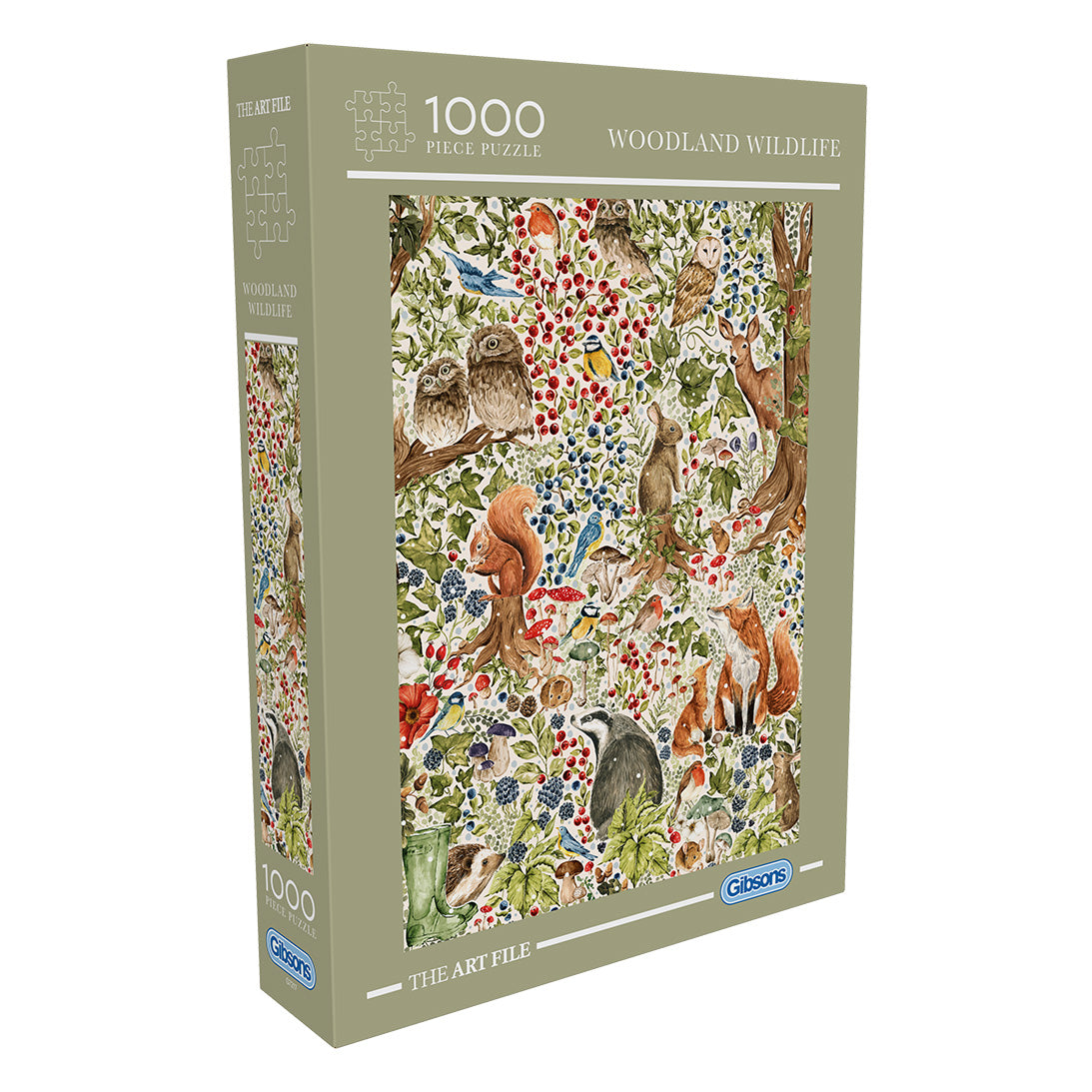
The Enduring Appeal of Puzzles
A puzzle is more than a pastime. It is a challenge that invites us to notice patterns, test ideas, and keep trying when the answer is not immediately clear. From jigsaw puzzles spread across a table to word games on a phone, puzzles entertain people of all ages while giving the mind a satisfying workout.
What Makes a Puzzle?
A puzzle presents a question, problem, or arrangement that must be solved by using information, logic, creativity, or a combination of skills. Some puzzles have one precise answer; others allow several possible solutions. The challenge may come from recognizing a pattern, fitting pieces together, decoding clues, or thinking about a familiar problem in a new way.
Popular Types of Puzzles
- Jigsaw puzzles: Players fit interlocking pieces together to complete an image. They can be relaxing to work on alone or a fun group activity.
- Logic puzzles: These rely on careful reasoning and clues. Sudoku and grid-based deduction games are familiar examples.
- Word puzzles: Crosswords, word searches, anagrams, and word-association games challenge vocabulary and language skills.
- Mathematical puzzles: These use numbers, equations, or shapes to pose problems that call for calculation and logical thinking.
- Riddles: A riddle describes something in an indirect or playful way, asking the solver to discover what it means.
- Mechanical puzzles: These involve manipulating physical objects, such as disentangling linked pieces or solving a twisty cube.
Why People Enjoy Solving Puzzles
Puzzles offer a clear goal and an immediate sense of progress. Each clue understood or piece placed brings the solver closer to a solution. That process can be absorbing and rewarding, especially when a difficult answer finally clicks into place.
Solving puzzles also encourages useful habits. Players practice patience, concentration, flexible thinking, and problem-solving. A puzzle may require trying different approaches, checking assumptions, and learning from mistakes. These activities can make puzzles an enjoyable way to keep the mind engaged, though they are not a substitute for professional care or a guarantee of improved health.
Puzzles can also bring people together. Families might work on a jigsaw puzzle, friends might compete over a trivia challenge, or coworkers might solve a problem as a team. Sharing ideas often reveals solutions that one person might not have found alone.
Tips for Tackling a Tricky Puzzle
- Understand the instructions. Make sure you know what the puzzle is asking before you begin.
- Look for patterns. Repeated shapes, numbers, words, or clues may point toward a useful strategy.
- Break it into smaller parts. A large challenge can feel more manageable when handled one section at a time.
- Try another approach. If one method is not working, step back and reconsider what you know.
- Take a short break. A fresh look can make details easier to notice.
- Enjoy the process. The goal is not only to finish but also to have fun thinking your way through the challenge.
A Challenge for Every Solver
There is no single way to enjoy puzzles. Some people prefer quiet, hands-on activities, while others like quick digital challenges or complex problems that take days to solve. With so many formats and difficulty levels, anyone can find a puzzle that suits their interests and experience.
Whether you are piecing together an image, untangling a riddle, or spotting the next number in a sequence, puzzles turn curiosity into play. Their simple promise remains timeless: look closely, think creatively, and see if you can find the solution.
Puzzle FAQs: Popular Types, Solving Tips, Brain Benefits, and Beginner Picks
- What are the most popular types of puzzles?
- How do you solve a difficult puzzle?
- Are puzzles good for your brain?
- What is the best puzzle for beginners?
- How can I get better at solving puzzles?
What are the most popular types of puzzles?
The most popular types of puzzles include jigsaw puzzles, crosswords, Sudoku, word searches, riddles, logic puzzles, and brain teasers. Jigsaw puzzles challenge players to fit pieces together to form an image, while word and number puzzles test vocabulary, pattern recognition, and reasoning. Many people also enjoy mechanical puzzles, such as the Rubik’s Cube, which require hands-on problem-solving. The best type depends on whether you prefer visual, verbal, mathematical, or logic-based challenges.
How do you solve a difficult puzzle?
To solve a difficult puzzle, start by carefully reading the instructions and identifying what you already know. Break the challenge into smaller parts, look for patterns or repeated clues, and try one strategy at a time. If you get stuck, take a short break or approach the problem from a different angle—fresh eyes can reveal details you missed. Be patient, learn from unsuccessful attempts, and enjoy the process rather than rushing to the answer.
Are puzzles good for your brain?
Yes, puzzles can be a fun way to keep your mind engaged. Activities such as crosswords, jigsaw puzzles, and logic games encourage concentration, pattern recognition, memory, and problem-solving. The benefits depend on the person and the activity, and puzzles aren’t a guaranteed way to prevent cognitive decline, but choosing challenges you enjoy can provide a satisfying mental workout.
What is the best puzzle for beginners?
The best puzzle for beginners is one that feels fun and manageable, such as an easy jigsaw puzzle with a few large pieces, a simple word search, or a beginner-level Sudoku. Choose a topic or format you enjoy, and start with a low difficulty level so you can learn the rules and build confidence. As you get more comfortable, try puzzles with more pieces or trickier clues.
How can I get better at solving puzzles?
To get better at solving puzzles, practice regularly and try different types, such as logic, word, and jigsaw puzzles. Start with challenges that feel manageable, then gradually increase the difficulty. Read the instructions carefully, look for patterns, and break complex problems into smaller steps. If you get stuck, take a short break or try a fresh approach rather than guessing repeatedly. Reviewing how you reached a solution can also help you recognize useful strategies next time.


Leave a Comment