
Paid Gaming Tournaments: How to Compete, Win, and Play Responsibly
Paid Gaming Tournaments: How They Work and What to Consider
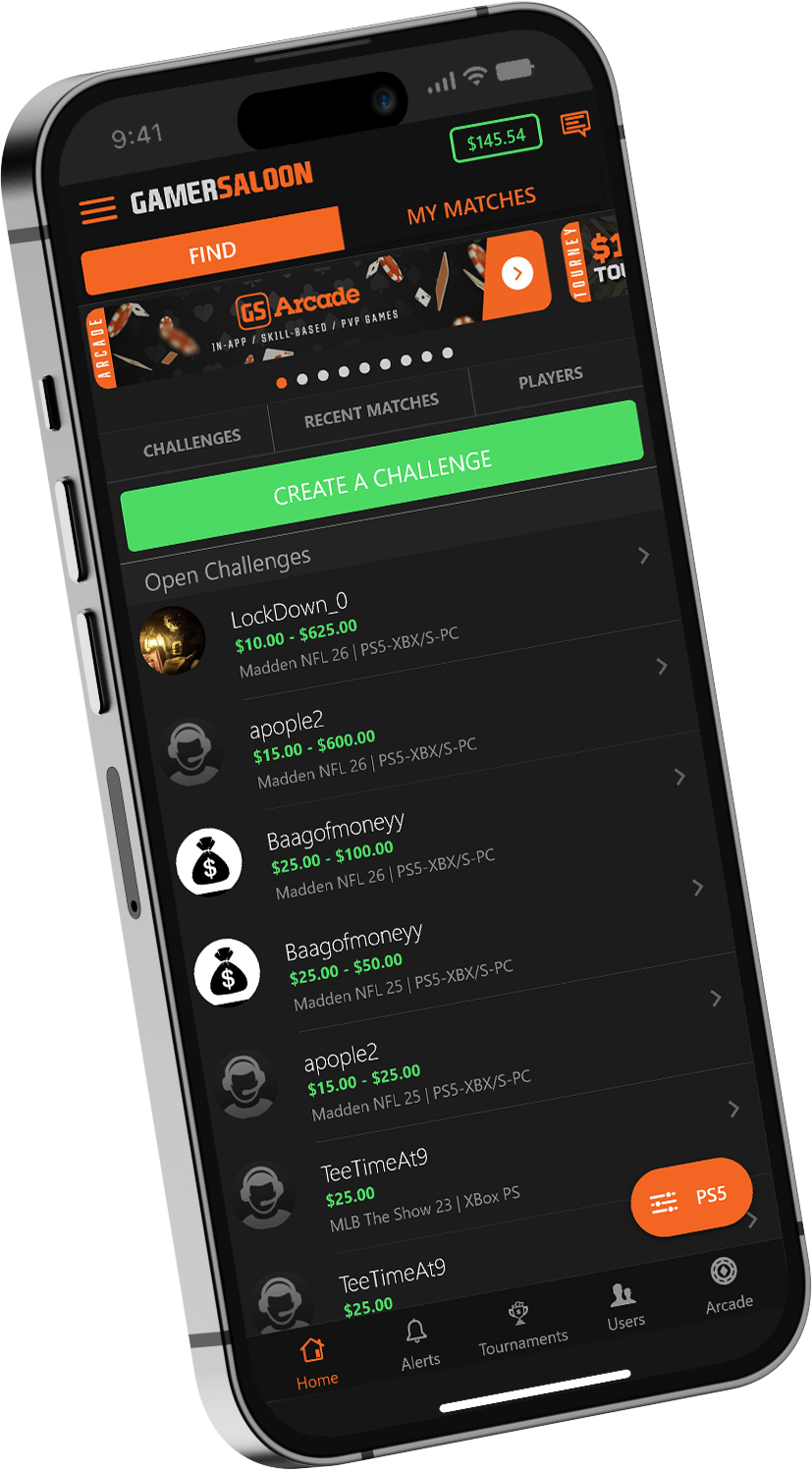
Paid gaming tournaments give players a chance to compete for cash, prizes, or other rewards by entering an organized competition. They range from small online events with modest entry fees to large esports competitions with substantial prize pools. For players who enjoy competitive gaming, a paid tournament can add excitement and structure to a match—but it’s important to understand the rules, costs, and risks before entering.
How Paid Tournaments Work
Most paid tournaments charge an entry fee to participate. Depending on the event, that fee may contribute to the prize pool, help cover operating costs, or do both. Players compete individually or as part of a team, and organizers use a format such as single elimination, double elimination, round robin, or a group stage followed by playoffs.
Prize structures vary. Some tournaments award prizes only to the top finishers, while others distribute rewards across several places. The organizer should explain the entry fee, prize amounts, payout schedule, eligibility requirements, and match rules before registration.
Common Tournament Formats
- Single elimination: A loss usually eliminates a player or team from the event.
- Double elimination: Competitors generally have a second chance after their first loss.
- Round robin: Each competitor or team plays several opponents, with standings determining who advances.
- Seasonal or league play: Participants compete across multiple matches or weeks, earning points toward a final ranking.
- Online qualifiers and finals: Players compete remotely in qualifying rounds, with top performers advancing to a final event.
Potential Benefits
Paid tournaments can offer more than a prize. They give players a defined goal, introduce them to opponents with similar interests, and provide a structured way to test their skills. Regular competition can also help players practice communication, teamwork, strategy, and composure under pressure.
For some competitors, tournaments are a way to connect with a gaming community or gain experience before entering larger events. Results are never guaranteed, however, and even skilled players may lose because of matchups, team coordination, or simple unpredictability.
What to Check Before Entering
Read the tournament rules carefully before paying an entry fee. Look for clear information about:
- The total cost, including any platform or transaction fees
- How the prize pool is calculated and when prizes are paid
- Who is eligible to compete, including age and location requirements
- The game version, permitted equipment, and match settings
- How opponents are selected and how ties or disputes are handled
- What happens if a player disconnects, withdraws, or misses a match
- The organizer’s refund, cancellation, and anti-cheating policies
Reliable organizers publish rules before registration and provide a way to contact support. Be cautious if an event has vague prize details, unexpected payment requests, unclear ownership, or no accessible record of past tournaments.
Budget and Responsible Play
Treat an entry fee as money that may not be returned. Set a budget for tournament participation, avoid spending money needed for essentials, and don’t enter more events simply to try to recover a previous loss. If an event’s cost feels uncomfortable, choosing a free tournament or practicing without entering is a sensible alternative.
Players should also consider whether the competition is appropriate for their age and location. Laws and rules for paid competitions can differ depending on where participants live and how an event is structured. Check local requirements and the tournament provider’s terms before registering.
Final Thoughts
Paid gaming tournaments can make competitive play more engaging, but the best experience starts with informed choices. Understand the format, verify the organizer, review the rules, and decide on a budget before entering. With realistic expectations and good preparation, a tournament can be a rewarding way to challenge yourself and enjoy the competitive side of gaming.
Everything You Need to Know About Paid Gaming Tournaments: FAQs and Answers
- What are paid gaming tournaments?
- How do paid gaming tournaments work?
- How much does it cost to enter a paid gaming tournament?
- How are prizes awarded in paid gaming tournaments?
- Where can I find legitimate paid gaming tournaments?
- Are paid gaming tournaments legal in my state or country?
- What games can I compete in for cash prizes?
- How can I tell if a paid gaming tournament is trustworthy?
- Do I need special equipment or experience to enter a paid gaming tournament?
What are paid gaming tournaments?
Paid gaming tournaments are organized video game competitions that require players or teams to pay an entry fee to participate. Competitors play according to set rules and formats, and may win cash, prizes, or other rewards based on their performance. Entry fees, prizes, eligibility, and payout terms vary, so review the tournament rules before signing up.
How do paid gaming tournaments work?
Paid gaming tournaments typically require players to pay an entry fee to compete for cash or other prizes. Organizers set the rules, game format, schedule, and prize structure, then match players or teams in brackets, groups, or leagues. Before signing up, review the eligibility requirements, fees, payout details, and policies for cancellations or disputes, since tournament terms vary.
How much does it cost to enter a paid gaming tournament?
The cost to enter a paid gaming tournament varies by game, organizer, format, and prize pool. Some events charge only a few dollars, while larger competitions may have higher entry fees; others are free to enter. Check the tournament page for the exact fee and any additional platform or payment charges, and make sure you understand the refund policy before registering.
How are prizes awarded in paid gaming tournaments?
Prizes in paid gaming tournaments are awarded according to the event’s published rules and final standings. Depending on the tournament, rewards may go to the winner, the top few players or teams, or be distributed among multiple placements. Before entering, review the prize amounts, eligibility requirements, payout method, and payment schedule, and check how the organizer handles ties, disputes, or disqualifications.
Where can I find legitimate paid gaming tournaments?
Legitimate paid gaming tournaments can be found through official game or esports websites, established tournament platforms, and gaming communities with a track record of hosting events. Before entering, research the organizer, read the rules, and confirm the entry fee, prize details, payout terms, eligibility requirements, and refund policy. Be cautious of events that make unrealistic promises, hide fees, or provide no verifiable history or support contact.
Are paid gaming tournaments legal in my state or country?
The legality of paid gaming tournaments depends on where you live and how the event is structured. Local laws may consider factors such as entry fees, prize types, chance versus skill, participant age, and whether the organizer operates across state or national borders. Before entering, review the tournament’s terms, check the rules that apply in your location, and contact a qualified local legal professional if you’re unsure. Organizers may also restrict participation in certain regions, so confirm your eligibility before paying an entry fee.
What games can I compete in for cash prizes?
The games available for cash-prize tournaments vary by platform and organizer, but events are commonly offered for popular esports and competitive titles across PC, console, and mobile. Check the tournament listings on BFMeTournaments.com to see which games are currently available, along with each event’s entry requirements, format, and prize details.
How can I tell if a paid gaming tournament is trustworthy?
Before entering a paid gaming tournament, check that the organizer has a clear reputation, verifiable contact information, and a history of running events. Read the rules and terms carefully, especially the entry fees, prize amounts, payout timing, refund policy, eligibility requirements, and dispute process. A trustworthy tournament explains how prizes are funded and awarded, protects players’ personal and payment information, and does not promise guaranteed winnings. Be cautious if details are vague, fees or payment methods change unexpectedly, or the organizer pressures you to pay quickly.
Do I need special equipment or experience to enter a paid gaming tournament?
Most paid gaming tournaments don’t require special equipment or prior tournament experience, though you’ll need a compatible game, platform, and reliable internet connection for online events. Check the tournament rules for requirements such as a specific console or PC, headset, controller, rank, or team size. Beginners are welcome in many competitions, but some events are intended for experienced or ranked players, so review the eligibility details before paying an entry fee.


Leave a Comment