
Mastering Safe Practices: The Essential Manual Handling Course
The Importance of Taking a Manual Handling Course
Manual handling refers to the transporting or supporting of loads by hand or bodily force. It is a common task in many workplaces, particularly in industries like construction, manufacturing, healthcare, and retail. However, incorrect manual handling techniques can lead to injuries and musculoskeletal disorders.
That’s where a manual handling course comes in. These courses are designed to educate individuals on the proper techniques for lifting, carrying, pushing, and pulling objects safely. By taking a manual handling course, participants can learn how to reduce the risk of injury and create a safer working environment.
Benefits of Taking a Manual Handling Course:
- Prevention of injuries: Proper manual handling techniques can help prevent strains, sprains, and other musculoskeletal injuries.
- Legal compliance: Many workplaces require employees to undergo manual handling training to comply with health and safety regulations.
- Improved efficiency: Learning efficient lifting and carrying techniques can help workers perform tasks more effectively.
- Increased awareness: Participants gain a better understanding of the risks associated with manual handling and how to mitigate them.
- Health and well-being: By promoting safe practices, manual handling courses contribute to the overall health and well-being of employees.
Overall, investing in a manual handling course not only benefits individuals by reducing the risk of injury but also enhances workplace safety and productivity. It is an essential training program for anyone involved in manual handling tasks.
9 Essential Tips for Safe and Effective Manual Handling
- Always assess the load before attempting to lift or move it.
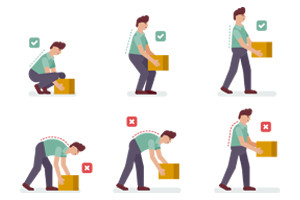
- Use proper lifting techniques, such as bending at the knees and keeping your back straight.
- Avoid twisting your body while carrying a heavy load.
- Ensure a good grip on the object to prevent it from slipping.
- Take regular breaks during manual handling tasks to prevent fatigue.
- Ask for help when dealing with heavy or awkwardly shaped objects.
- Wear appropriate footwear with good traction to avoid slips and falls.
- Consider using mechanical aids like trolleys or hoists for heavy items.
- Attend regular manual handling training sessions to stay updated on best practices.
Always assess the load before attempting to lift or move it.
It is crucial to always assess the load before attempting to lift or move it during manual handling tasks. By taking a moment to evaluate the weight, size, shape, and any potential hazards of the load, individuals can determine the most appropriate lifting technique to use. This proactive approach not only helps prevent injuries but also promotes safe and efficient manual handling practices in the workplace. Remember, a quick assessment can make a significant difference in maintaining a healthy and injury-free work environment.
Use proper lifting techniques, such as bending at the knees and keeping your back straight.
Using proper lifting techniques, such as bending at the knees and keeping your back straight, is crucial when it comes to manual handling tasks. By following these guidelines, you can significantly reduce the risk of back injuries and strains. Bending at the knees helps distribute the weight evenly and minimizes strain on your back muscles. Keeping your back straight maintains proper alignment and support for your spine. Remembering to apply these techniques during lifting can make a big difference in promoting a safe and injury-free work environment.
Avoid twisting your body while carrying a heavy load.
To prevent strain and reduce the risk of injury during manual handling tasks, it is crucial to avoid twisting your body while carrying a heavy load. Twisting places excessive strain on the spine and can lead to muscle sprains or other musculoskeletal injuries. Instead, pivot your entire body with your feet to change direction when carrying a heavy object. By maintaining proper alignment and avoiding twisting motions, you can protect your back and promote safe manual handling practices.
Ensure a good grip on the object to prevent it from slipping.
To prevent objects from slipping while handling them, it is crucial to ensure a secure and firm grip. Maintaining a good grip on the object not only helps in controlling its movement but also reduces the risk of accidents and injuries caused by slippage. By applying proper hand placement and grip techniques taught in a manual handling course, individuals can effectively manage loads and enhance workplace safety.
Take regular breaks during manual handling tasks to prevent fatigue.
Taking regular breaks during manual handling tasks is crucial to prevent fatigue and reduce the risk of injuries. Fatigue can impair judgment and decrease muscle strength, making it more likely for accidents to occur. By incorporating short breaks into manual handling activities, individuals can rest, re-energize, and maintain their focus and physical capabilities. These breaks not only help in preventing overexertion but also contribute to overall well-being and productivity in the workplace. Remember, a well-rested body is better equipped to handle manual handling tasks safely and effectively.
Ask for help when dealing with heavy or awkwardly shaped objects.
When faced with heavy or awkwardly shaped objects, it is crucial to prioritize safety by asking for assistance. Seeking help when handling such items can significantly reduce the risk of injury and strain on the body. By collaborating with colleagues or utilizing appropriate equipment, individuals can ensure that tasks are completed efficiently and without compromising their well-being. Remember, teamwork and communication play a vital role in maintaining a safe working environment during manual handling activities.
Wear appropriate footwear with good traction to avoid slips and falls.
To prevent slips and falls during manual handling tasks, it is crucial to wear appropriate footwear with good traction. Proper footwear can provide stability and grip, reducing the risk of accidents and injuries. By choosing shoes that offer support and traction, individuals can ensure a safer working environment while performing manual handling activities. Remember, wearing the right footwear is a simple yet effective way to enhance workplace safety and prevent potential hazards.
Consider using mechanical aids like trolleys or hoists for heavy items.
When undertaking manual handling tasks involving heavy items, it is advisable to consider utilizing mechanical aids such as trolleys or hoists. These tools can significantly reduce the physical strain on individuals and minimize the risk of injuries associated with lifting and carrying heavy loads manually. By incorporating mechanical aids into the handling process, workers can enhance efficiency, promote safety, and safeguard their well-being while performing tasks that involve heavy items.
Attend regular manual handling training sessions to stay updated on best practices.
To ensure safe and efficient manual handling practices, it is crucial to attend regular training sessions dedicated to this purpose. By participating in ongoing manual handling training, individuals can stay informed about the latest best practices and techniques. These sessions provide valuable opportunities to refresh skills, learn new approaches, and reinforce the importance of proper lifting and carrying methods. Continuous education through regular training not only helps prevent injuries but also promotes a culture of safety and awareness in the workplace.
Leave a Comment