
CSGO LAN Tournaments: The Thrill of Live Competitive Gaming
CS:GO LAN Tournaments: What Makes Them Special?
For years, Counter-Strike: Global Offensive (CS:GO) LAN tournaments have been a highlight of competitive gaming. They brought top teams together in the same venue, where players competed face to face in front of live audiences. The result was a mix of high-stakes gameplay, crowd energy, and unforgettable moments that helped define the Counter-Strike esports scene.
Although Counter-Strike 2 (CS2) replaced CS:GO in 2023 as the series’ current competitive game, many fans still use “CS:GO LAN tournaments” when talking about the game’s history, its classic events, or the broader Counter-Strike LAN experience.
What Is a LAN Tournament?
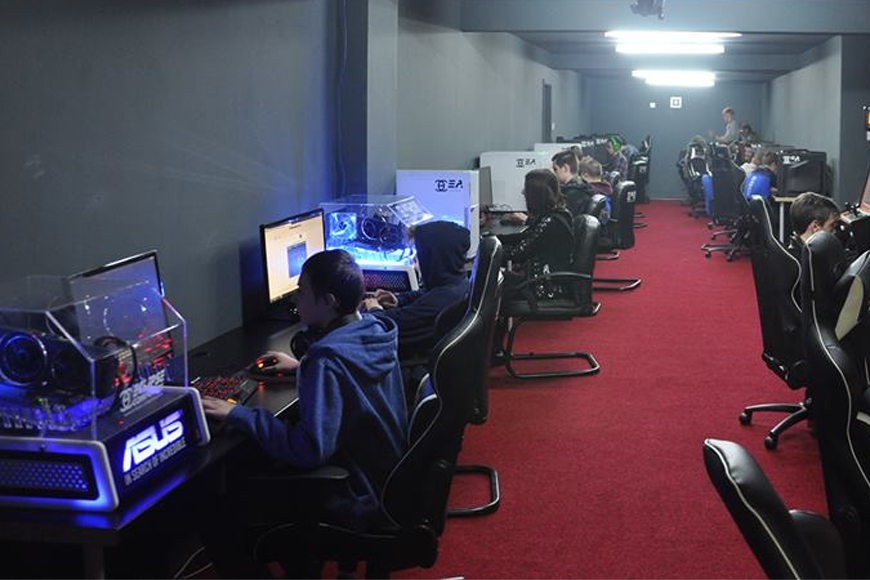
LAN stands for “local area network.” In a LAN tournament, competitors play from the same venue using a local network rather than connecting from separate locations over the internet. Teams may travel from around the world to compete at an arena, convention center, or esports venue.
Players still use online services and tournament systems for some parts of an event, but matches are played on-site. Organizers can provide dedicated equipment, technical support, and controlled conditions for competition.
Why LAN Events Matter
Online tournaments make it possible for teams to compete from home, but LAN events offer a different kind of experience. Being in the same venue can make matches feel more immediate and intense. Players communicate across the stage or through their team setups, while coaches and support staff work nearby.
For spectators, the live crowd is a major part of the appeal. Cheers, chants, and reactions can add atmosphere to every round. A dramatic comeback or a last-second clutch can turn a match into a shared moment for everyone in the arena.
LAN competition also provides a controlled setting. Tournament organizers can standardize computers, peripherals, network conditions, and match procedures. This helps reduce some of the variables that can affect online play, though it does not eliminate pressure or technical challenges.
How a CS:GO LAN Tournament Works
Event formats vary, but a typical tournament includes several stages:
- Qualifiers: Teams compete for a limited number of places in the main event.
- Group stage: Qualified teams play to advance, avoid elimination, or earn a favorable position in the bracket.
- Playoffs: The remaining teams compete in an elimination bracket, often in front of a live audience.
- Grand final: The finalists play for the championship, prize money, and the event title.
Matches are played on the game’s maps, with teams taking turns on the Counter-Terrorist and Terrorist sides. Depending on the tournament rules and stage, a match may be played as a best-of-one, best-of-three, or best-of-five series.
What to Expect at a Live Event
A LAN tournament is more than a schedule of matches. Large events may include fan activities, merchandise, meet-and-greets, interviews, analysis desks, and opportunities to watch teams warm up or prepare. Smaller community events may focus more closely on the competition itself.
Attendees should check the event’s official information before traveling. Details such as match times, venue rules, ticket access, age requirements, and permitted items can differ from one tournament to another. Match schedules may also change, so it is helpful to follow the organizer’s updates.
Tips for First-Time Spectators
- Review the schedule: Check the official event timetable and leave time for entry and security.
- Learn the basics: Familiarity with maps, objectives, and common terms can make matches easier to follow.
- Bring only permitted items: Review venue policies before packing.
- Plan for a full day: Playoffs and live events can last longer than expected.
- Respect players and fans: Follow event rules and help keep the atmosphere welcoming.
CS:GO’s Legacy and the Move to CS2
CS:GO shaped a generation of Counter-Strike competition. Its major tournaments helped establish traditions that remain familiar to fans, including international rosters, iconic maps, passionate crowds, and dramatic playoff runs.
With CS2 now the current version of the game, new Counter-Strike LAN events are generally played in CS2 rather than CS:GO. The format and competitive environment continue to evolve, but many of the qualities that made CS:GO events compelling—teamwork, precision, strategy, and live competition—remain central to the series.
The Lasting Appeal of Counter-Strike LAN Tournaments
CS:GO LAN tournaments remain an important part of esports history, and the live Counter-Strike experience continues through CS2 events. Whether watching a classic match, attending a local competition, or following a major championship, fans can enjoy the same essential appeal: skilled teams under pressure, a crowd invested in every round, and the possibility of a moment no one saw coming.
6 Essential Tips for Your Next CS:GO LAN Tournament
- Arrive early to handle check-in and setup.
- Bring a reliable mouse, keyboard, and headset.
- Pack backups for cables and essential gear.
- Warm up before your first match.
- Communicate clearly with your team.
- Stay hydrated and take breaks between rounds.
Arrive early to handle check-in and setup.
Arrive early to handle check-in and setup before your CS:GO LAN tournament begins. Getting there with plenty of time gives you a chance to confirm your registration, find your station, connect and test your equipment, and resolve any technical issues without rushing. You’ll be ready to focus on the matches when the competition starts.
Bring a reliable mouse, keyboard, and headset.
Bring a reliable mouse, keyboard, and headset to a CS:GO LAN tournament so you can play comfortably with equipment you know and trust. Familiar gear can help you maintain consistent aim, movement, and communication, while dependable devices reduce the chance of technical problems during a match. Check the tournament’s equipment rules before packing, and bring any necessary cables or adapters.
Pack backups for cables and essential gear.
Pack backup cables and other essential gear when traveling to a CS:GO LAN tournament. A spare mouse cable, headset cable, power adapter, or USB hub can save valuable time if something gets damaged, misplaced, or stops working. Keep small accessories together in a labeled pouch, and check your equipment before leaving so you can focus on the matches instead of last-minute replacements.
Warm up before your first match.
Warm up before your first match so you can settle in and get comfortable with your setup before the pressure starts. Spend a few minutes practicing aim, movement, and recoil control, and test your mouse, keyboard, headset, and in-game settings. A short routine can help you focus, shake off travel or event-day nerves, and feel ready when the match begins.
Communicate clearly with your team.
Communicate clearly with your team throughout a CS:GO LAN tournament. Share concise, accurate callouts about enemy positions, utility, and your next move, and avoid talking over teammates during crucial rounds. Since the live crowd and event atmosphere can make it harder to focus, use familiar callouts and confirm important information when needed. Clear communication helps your team make faster decisions and stay coordinated under pressure.
Stay hydrated and take breaks between rounds.
At a CS:GO LAN tournament, it’s easy to get caught up in the action and forget to take care of yourself. Drink water regularly and use breaks between matches or rounds to stretch, rest your eyes, and step away from the noise for a few minutes. Staying hydrated and refreshed can help you enjoy the event longer and keep your focus on the games.

Leave a Comment