
The Heart of Every Tournament
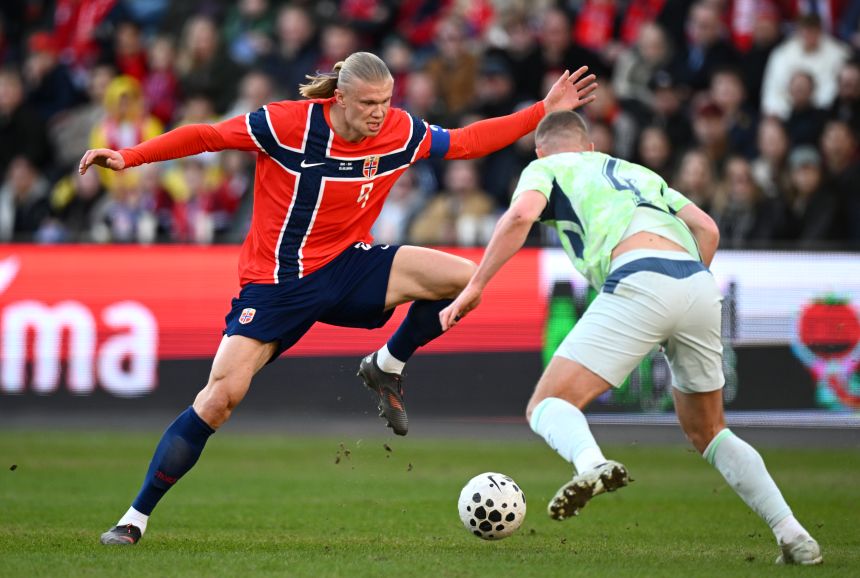
Players: The Heart of Every Tournament
Players bring tournaments to life. Their skill, preparation, teamwork, and determination turn every match into a contest worth watching. Whether competing for the first time or working toward a championship, each player helps shape the energy and spirit of competitive gaming.
More Than Just Skill
Strong play takes more than quick reactions. Players often spend time learning game mechanics, practicing strategies, studying opponents, and communicating with teammates. Focus and adaptability matter, too: a match can change in an instant, and the ability to respond calmly can make all the difference.
Good sportsmanship is just as important as performance. Respecting opponents, following tournament rules, and accepting the result with grace help make competition enjoyable for everyone. Every player contributes to the community through the way they compete.
Finding Your Place in Competition
There is no single path into competitive gaming. Some players enter tournaments to test their skills, while others are looking to meet fellow gamers, build confidence, or gain experience. Beginners can start by choosing events that match their interests and experience level, then focus on learning one match at a time.
More experienced competitors can keep growing by reviewing their performance, setting realistic goals, and practicing consistently. Wins can be motivating, but losses can also reveal useful lessons. Progress often comes from recognizing what went well, identifying what could improve, and returning with a plan.
Playing as a Team
In team-based games, coordination can be as important as individual ability. Clear communication helps teammates share information, make decisions, and support one another under pressure. Trust develops through practice, patience, and a willingness to work toward a shared goal.
Every team member can contribute in a different way. Some players may take the lead, while others focus on strategy, support, or adapting to changing situations. Valuing those different strengths can help a team perform more effectively and enjoy the experience together.
Growing Through Every Match
Competitive play offers opportunities to learn, connect, and challenge yourself. Set a pace that works for you, take breaks when needed, and remember that enjoyment is part of the experience. Whether you are aiming for a title or simply trying something new, showing up and giving your best is a meaningful achievement.
Players are what make tournaments memorable. Their dedication, creativity, and respect for the game create the competition that brings communities together—one match at a time.
8 Ways Players Make Gaming Better
- Players bring energy to every match.
- They make competition exciting.
- Players build teamwork and trust.
- They inspire others to improve.
- They show focus under pressure.
- Players help grow gaming communities.
- They create memorable moments.
- They make every tournament unique.
5 Challenges Players May Face in Competitive Sports
- Players may become overly competitive.
- Practice can take up significant time.
- Pressure may affect performance.
- Team conflicts can disrupt coordination.
- Repeated losses may discourage players.
Players bring energy to every match.
Players bring energy to every match, making each round more exciting and engaging. Their enthusiasm, focus, and competitive spirit keep teammates motivated and give spectators something to cheer for. Whether a game is close or full of surprises, players’ passion helps create memorable moments and makes every tournament feel alive.
They make competition exciting.
Players make competition exciting by bringing skill, strategy, and determination to every match. Their unexpected moves, close plays, and fierce comebacks keep spectators engaged and make each contest feel unique. Whether they compete individually or as a team, players create the moments that turn a tournament into a thrilling experience.
Players build teamwork and trust.
Players build teamwork and trust by communicating, sharing responsibilities, and working toward a common goal. In team-based games, each person’s contribution matters, and teammates learn to rely on one another through practice and competition. Over time, this cooperation can strengthen relationships, improve coordination, and make every victory feel like a shared achievement.
They inspire others to improve.
Players can inspire others to improve by showing what dedication, practice, and perseverance can achieve. Their progress and performance encourage teammates, rivals, and fans to set goals, learn new strategies, and keep working through challenges. By sharing their experience and leading by example, skilled and supportive players help create a community where everyone feels motivated to grow.
They show focus under pressure.
Players show focus under pressure by staying calm, making thoughtful decisions, and adapting when a match takes an unexpected turn. Instead of getting distracted by the stakes or a difficult moment, they concentrate on the next move and communicate clearly with teammates. This ability to remain composed can help players perform consistently and make the most of every opportunity.
Players help grow gaming communities.
Players help gaming communities grow by bringing people together through shared interests, teamwork, and friendly competition. They welcome newcomers, exchange tips, celebrate one another’s achievements, and create connections that extend beyond individual matches. As more players participate and contribute, communities become more active, diverse, and supportive.
They create memorable moments.
Players create memorable moments that make tournaments exciting long after the final match ends. A perfectly timed play, a surprising comeback, or a close contest between skilled opponents can captivate fans and bring teammates together. These moments become stories that players and spectators share, giving every tournament its own character and making the experience unforgettable.
They make every tournament unique.
Every player brings a distinct style, strategy, and personality to the competition, making each tournament feel different from the last. Unexpected plays, close matchups, and creative teamwork create moments that can’t be repeated, giving every event its own story and making each tournament uniquely exciting.
Players may become overly competitive.
Players may become overly competitive, focusing so much on winning that they lose sight of the enjoyment and camaraderie that make gaming rewarding. This can lead to frustration, tension with teammates, or disrespectful behavior toward opponents. Keeping competition in perspective and treating others with respect helps make tournaments fun and welcoming for everyone.
Practice can take up significant time.
One challenge of competitive gaming is that practice can take up significant time. Players may spend hours building skills, learning strategies, and preparing for tournaments, which can make it harder to balance gaming with school, work, family, and other interests. Setting a schedule and taking regular breaks can help players improve while keeping their commitments and well-being in view.
Pressure may affect performance.
Pressure can affect a player’s performance by making it harder to stay focused, make quick decisions, and execute familiar strategies. The expectations of teammates, opponents, or spectators may lead to nervousness, especially during close or high-stakes matches. Even skilled players can make mistakes when stress takes over, so managing pressure through preparation, clear communication, and brief reset techniques can help them play with greater confidence.
Team conflicts can disrupt coordination.
Team conflicts can disrupt coordination and make it harder for players to work toward a shared goal. Miscommunication, disagreements over strategy, or frustration after a mistake can weaken trust and distract teammates during critical moments. When players communicate respectfully, listen to one another, and address problems constructively, they can reduce tension and keep the team focused on the match.
Repeated losses may discourage players.
Repeated losses can be discouraging, especially when players have invested significant time and effort in improving. A string of difficult matches may lower confidence or make competition feel less enjoyable. Taking a break, setting small goals, and treating each loss as a chance to learn can help players regain perspective and stay motivated.


Leave a Comment