
Solitaire Card Games: A Guide to Classic and Popular Variations
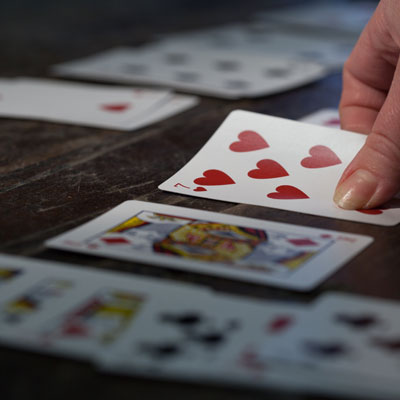
Solitaire Card Games: A Guide to Playing on Your Own
Solitaire card games are designed for one player, making them an easy way to enjoy a deck of cards whenever you have a little free time. The name often brings to mind Klondike—the familiar game of building four suit piles—but solitaire is a broad family of games with many different rules, layouts, and levels of challenge.
What Is Solitaire?
In most solitaire games, the player rearranges cards according to specific rules, aiming to sort them, clear the playing area, or move them to designated piles. A standard 52-card deck is common, although some variations use two decks or a different number of cards. Luck plays a role in many games, but planning and careful attention can make a significant difference.
Popular Solitaire Games
Klondike
Klondike is the version many people mean when they say “solitaire.” Cards are arranged in seven tableau columns, with only the top card of each column face up. Players build descending sequences in alternating colors and move cards to four foundation piles, one for each suit, starting with the aces. The stock and waste piles provide additional cards to play.
Spider
Spider Solitaire is usually played with two decks. The goal is to build complete descending sequences of the same suit, from king to ace, and remove them from the tableau. Some versions offer one, two, or four suits, allowing players to choose a difficulty level.
FreeCell
FreeCell begins with all cards face up, so the challenge is less about uncovering hidden cards and more about planning ahead. Four open cells can temporarily hold individual cards, while players build sequences in the tableau and move cards to the foundations. Since the full layout is visible, thoughtful moves are especially important.
Pyramid
In Pyramid Solitaire, cards are arranged in a pyramid shape. The player removes exposed pairs that add up to 13; kings can be removed by themselves. Cards from the remaining deck can help create pairs, depending on the version being played.
TriPeaks
TriPeaks features three overlapping card peaks. Players clear exposed cards by selecting one that is one rank higher or lower than the current card in the waste pile. The simple rule makes the game quick to learn, while the limited sequence of available cards adds a strategic element.
Why People Enjoy Solitaire
Solitaire is convenient, inexpensive, and easy to play at home or on the go. A physical deck requires no screen or internet connection, while digital versions can make setup and scoring automatic. Many players also appreciate the quiet focus the games encourage: each turn offers a small decision, and a well-planned sequence can gradually transform a cluttered layout into an organized one.
Not every deal is winnable, and that is part of the experience. A game may call for patience and careful choices, while another may depend heavily on the order in which cards appear. Trying different variations can help players find the balance of luck and strategy they enjoy most.
Tips for New Players
- Learn the goal first. Before moving cards, make sure you understand what counts as a win in that particular variation.
- Reveal hidden cards when possible. In games with face-down cards, uncovering them can give you more options.
- Think about the next move. A move that looks useful now may block a more important sequence later.
- Use temporary spaces carefully. Empty columns or free cells can be valuable, so consider what you will do with them before filling them.
- Try another variation. If one game feels too easy or too difficult, a different solitaire format may offer a better fit.
A Game for Every Mood
From quick rounds of TriPeaks to longer sessions of Spider, solitaire offers a variety of ways to play alone. Its rules can be simple, but the changing card layouts keep each deal fresh. Whether played with a traditional deck or on a phone or computer, solitaire remains a timeless choice for anyone looking for a thoughtful, self-paced card game.
7 Smart Tips to Improve Your Solitaire Game
- Sort cards by suit and rank as you play.
- Reveal face-down cards as early as possible.
- Build descending sequences with alternating colors in Klondike.
- Use empty columns strategically.
- Check the stock before moving cards to the waste pile.
- Avoid rushing—each move can change your options.
- Learn the rules of the solitaire variation you’re playing.
Sort cards by suit and rank as you play.
Sort cards by suit and rank as you play to keep the layout organized and make useful moves easier to spot. Building sequences in the correct order can reveal hidden cards, open up columns, and help you move cards to the foundation piles sooner. Before placing a card, consider how it fits into your current sequences and whether the move will leave you with more options.
Reveal face-down cards as early as possible.
Reveal face-down cards as early as possible to uncover new options and make better-informed moves. Turning over a hidden card may free up a sequence, create an empty column, or reveal a card you need to build a foundation. When choosing between moves, favor the one that exposes a face-down card—especially if it doesn’t block another useful play.
Build descending sequences with alternating colors in Klondike.
In Klondike Solitaire, build tableau sequences in descending order while alternating colors—for example, place a black 8 on a red 9. This rule helps you uncover face-down cards and create useful moves, so look for placements that open up columns and keep your options flexible.
Use empty columns strategically.
Use empty columns strategically in solitaire, as they can give you valuable space to rearrange cards and uncover new moves. In games like Klondike, an empty tableau column can often hold a king and the sequence built on it, so consider which king will be most useful before filling the space. Keeping a column open until it helps reveal hidden cards or organize a longer sequence can make the difference between getting stuck and moving closer to a win.
Check the stock before moving cards to the waste pile.
Before moving a card from the stock to the waste pile, check whether it could help with a move already available on the tableau or foundations. In games like Klondike, drawing another card can change which cards are accessible, and the waste pile may be difficult to cycle through quickly. A moment of planning can help you avoid burying a useful card and make better use of each pass through the stock.
Avoid rushing—each move can change your options.
Avoid rushing through a game of solitaire—each move can change the options available to you. Before placing or uncovering a card, take a moment to consider how it might affect future moves, especially when revealing hidden cards or using an empty space. A little patience can help you spot better sequences and avoid blocking a useful play.
Learn the rules of the solitaire variation you’re playing.
Before starting a solitaire game, take a moment to learn the rules of the variation you’re playing. Different versions have different goals, legal moves, and ways to use the stock or empty spaces, so a strategy that works in Klondike may not help in Spider or FreeCell. Knowing the rules helps you make informed decisions, avoid missed opportunities, and enjoy the game with less guesswork.


Leave a Comment