
Card Games: A Timeless Way to Play
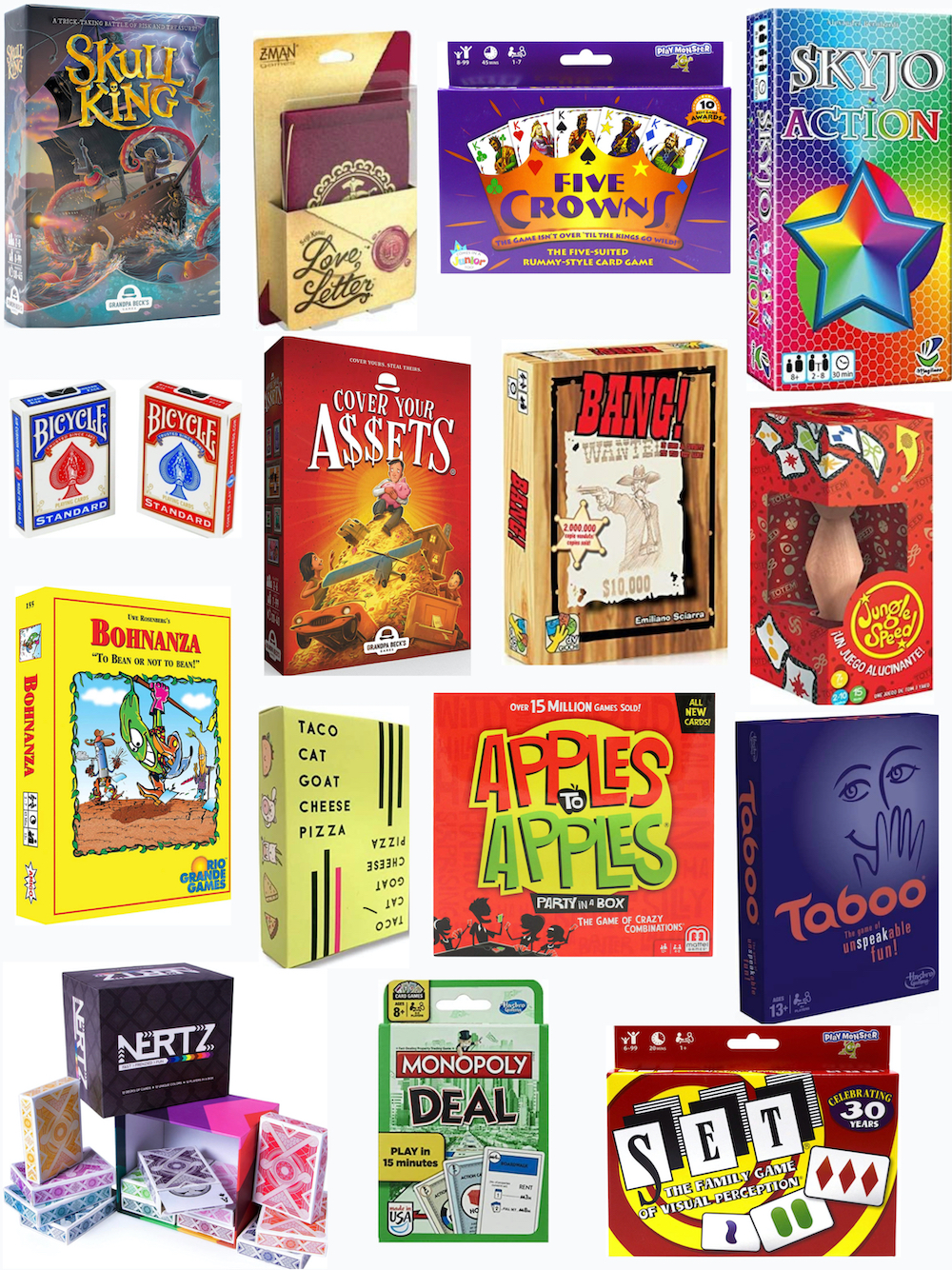
Card Games: A Timeless Way to Play
Card games have entertained people for centuries, bringing friends and families together around tables, campfires, and screens. They can be quick and casual or thoughtful and competitive, making them easy to enjoy in many different settings. With a deck of cards and a few players, a simple game can become a memorable occasion.
A Brief History of Card Games
Playing cards have a long history, with early forms appearing in Asia before spreading to other parts of the world. Over time, different regions developed their own decks, rules, and favorite games. The familiar 52-card deck used in many games today has four suits: hearts, diamonds, clubs, and spades. Other games use special decks designed for their own rules and traditions.
Many Ways to Play
Card games come in a wide range of styles. Some are built around chance, while others reward planning, memory, observation, and quick decisions. Popular categories include:
- Trick-taking games: Players compete to win rounds, or “tricks,” by playing cards in turn.
- Matching games: Players look for cards that share a number, suit, or other feature.
- Shedding games: The goal is to be the first to play all of your cards.
- Collecting games: Players gather particular cards or combinations to score points.
- Solitaire games: A single player arranges cards according to a set of rules and objectives.
- Trading card games: Players build customized decks and compete using cards with different abilities.
Classic games such as poker, bridge, rummy, hearts, and solitaire each offer a different experience. Many families also have their own favorite games, along with house rules passed down from one generation to the next.
Skill, Strategy, and Luck
Luck plays a role in nearly every card game, since players often do not know which cards they will receive. But many games also reward skill. Players may need to remember which cards have been played, estimate what opponents might hold, manage risk, or decide when to change tactics.
Learning a game usually starts with understanding its objective and basic rules. With practice, players can begin to recognize patterns and make more informed choices. In competitive games, clear rules and good sportsmanship help keep the experience fair and enjoyable for everyone.
More Than a Game
Card games are also a way to connect. They give people a shared activity, encourage conversation, and create opportunities for friendly competition. Because many games are portable and require little equipment, they are easy to bring to gatherings, trips, or quiet evenings at home.
Digital versions have made card games available to even more players. Online games can connect people across distances, offer tutorials for beginners, and make it possible to play at almost any time. Whether played with a physical deck or on a screen, the appeal remains much the same: learn the rules, make your moves, and enjoy the challenge.
Getting Started
If you are new to card games, begin with a game that has a short, simple rule set. Read the instructions, watch a demonstration, or ask an experienced player to guide the first round. It is perfectly normal to make mistakes while learning. Once the basics feel familiar, try new games and discover which styles you enjoy most.
From relaxed family favorites to strategic competitions, card games offer something for nearly every age and interest. Their mix of chance, decision-making, and social fun has helped them remain popular for generations—and ensures there is always another game to play.
7 Smart Tips to Improve Your Card Game Skills
- Learn the rules before you play.
- Watch which cards have been played.
- Keep track of your opponents’ moves.
- Save powerful cards for key moments.
- Pay attention to turn order.
- Protect your best cards.
- Stay calm and enjoy the game.
Learn the rules before you play.
Learning the rules before you play helps everyone enjoy a card game and keeps the action moving. Take a few minutes to understand the goal, how turns work, and how points are scored. If anything is unclear, ask questions before the game starts or keep the instructions nearby. A quick review can prevent confusion, avoid disagreements, and help you focus on strategy and fun.
Watch which cards have been played.
Paying attention to which cards have already been played can give you a valuable edge in many card games. It helps you keep track of what opponents may still hold, recognize which cards are no longer a threat, and make more informed decisions about your next move. You don’t need to remember every card at first—focus on important ones, such as high cards or cards that could complete a winning combination. With practice, tracking the play becomes easier and can help you plan ahead with confidence.
Keep track of your opponents’ moves.
Keeping track of your opponents’ moves can give you valuable clues about the cards they may hold and the strategies they’re using. Notice which cards they play, which ones they avoid, and how their choices change as the game progresses. Remembering these details can help you anticipate their next move, make smarter decisions, and improve your chances of winning.
Save powerful cards for key moments.
Save your most powerful cards for moments when they can make the biggest difference. Playing them too early may leave you without a strong response later, while holding them too long can mean missing a valuable opportunity. Pay attention to the game, consider what your opponents might have, and use your best cards when they can help secure a crucial trick, protect your position, or change the outcome.
Pay attention to turn order.
Paying attention to turn order is an important part of playing card games well. Knowing when you’ll act gives you time to plan, follow the cards and choices made before your turn, and avoid missing a chance to play. It also helps you understand how your decisions may affect the next player, so you can make more thoughtful moves and keep the game running smoothly.
Protect your best cards.
Protect your best cards by thinking carefully before you play them. A powerful card can help you win a round, block an opponent, or give you an advantage later, so avoid using it too soon unless it serves a clear purpose. Pay attention to the game’s rules and the cards already played to decide when the timing is right.
Stay calm and enjoy the game.
Stay calm and enjoy the game, whether you’re winning, losing, or still learning the rules. A relaxed attitude helps you think clearly, make better decisions, and appreciate the fun of playing with others. Remember that card games are a chance to connect and have a good time, so focus on the experience—not just the outcome.


Leave a Comment