
Empowering Growth Through Sales Leadership Development
The Importance of Sales Leadership Development
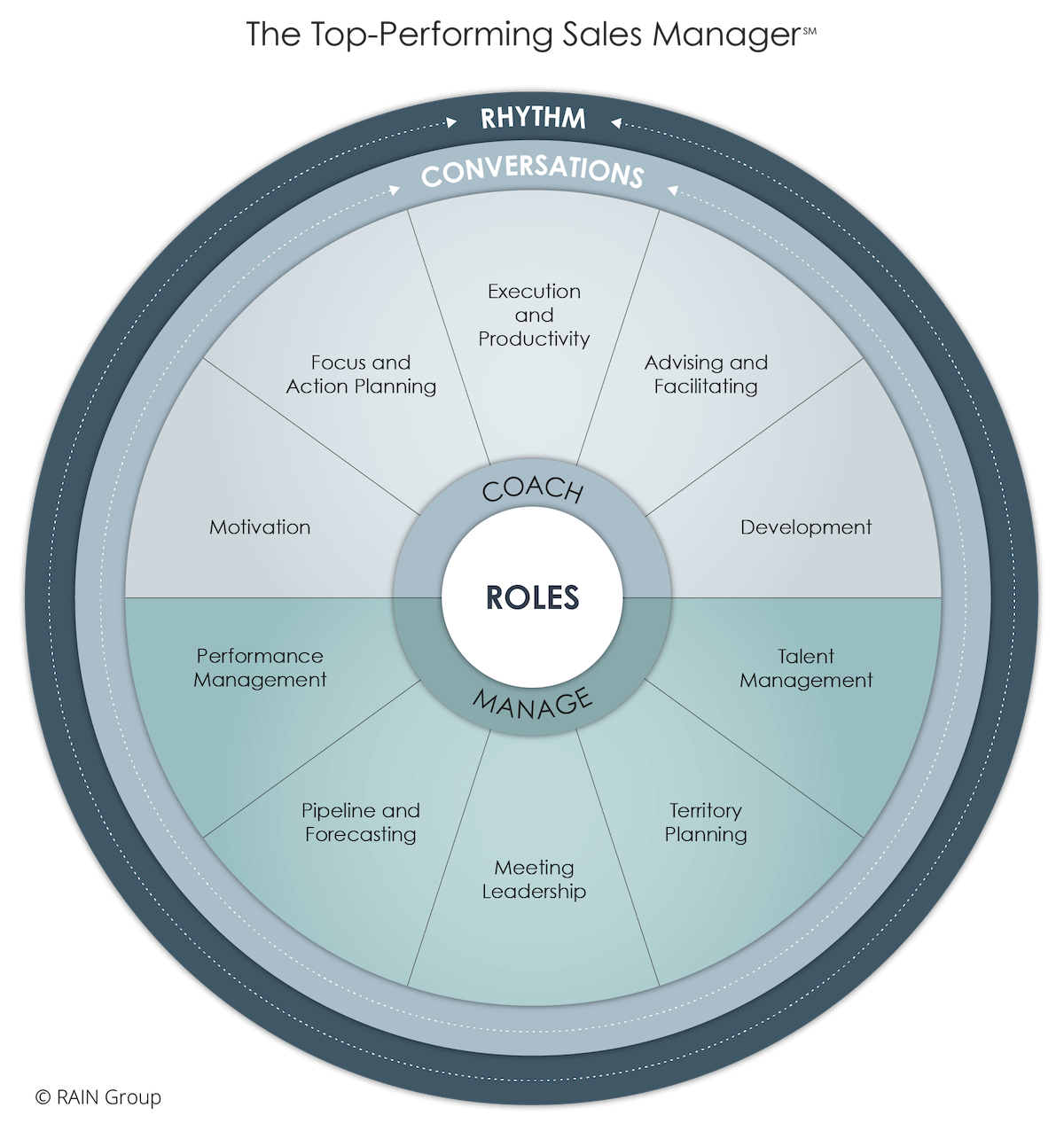
Sales leadership development is crucial for the success of any sales team and organization. Effective sales leaders play a vital role in driving revenue, motivating their teams, and achieving business objectives.
Investing in sales leadership development programs can have a significant impact on the overall performance and growth of a company. Here are some key reasons why focusing on developing sales leaders is essential:
Strategic Vision
Strong sales leaders have the ability to set a clear strategic vision for their teams. They can align sales strategies with overall business goals, identify opportunities for growth, and adapt to changing market dynamics.
Team Motivation
Sales leadership development helps managers inspire and motivate their teams to achieve targets and exceed expectations. Effective leaders create a positive work environment, provide guidance and support, and recognize the efforts of their team members.
Coaching and Training
Developing sales leaders equips them with the skills to coach and train their team members effectively. By providing ongoing feedback, guidance, and mentorship, leaders can help individuals improve their performance and reach their full potential.
Adaptability
In today’s rapidly changing business landscape, adaptability is key to success. Sales leaders who undergo continuous development are better equipped to navigate challenges, embrace innovation, and lead their teams through periods of change.
Performance Improvement
By investing in sales leadership development, organizations can enhance the overall performance of their sales teams. Strong leaders drive accountability, foster collaboration, and implement strategies that lead to increased productivity and revenue generation.
In conclusion, sales leadership development is a strategic investment that yields long-term benefits for both individuals and organizations. By nurturing strong leaders within the sales function, companies can drive growth, build high-performing teams, and stay ahead in today’s competitive marketplace.
6 Essential Tips for Effective Sales Leadership Development
- Lead by example to inspire your sales team.
- Provide ongoing training and development opportunities for your team.
- Set clear goals and expectations for your sales team.
- Encourage open communication and feedback within the team.
- Recognize and reward top performers to boost morale and motivation.
- Continuously evaluate and adjust your sales strategies for optimal results.
Lead by example to inspire your sales team.
Leading by example is a powerful strategy in sales leadership development that can inspire and motivate your sales team to perform at their best. When sales leaders demonstrate the behaviors, work ethic, and values they expect from their team members, it creates a culture of accountability, trust, and excellence. By embodying the qualities of a successful salesperson, such as persistence, resilience, and customer-centricity, leaders not only set a positive precedent but also show their team members what is achievable through dedication and hard work. This approach fosters a sense of unity and shared purpose within the team, driving them to emulate the leader’s actions and strive for success.
Provide ongoing training and development opportunities for your team.
To enhance sales leadership development, it is crucial to provide continuous training and development opportunities for your team. By offering ongoing learning experiences, such as workshops, seminars, and skill-building sessions, you empower your team members to enhance their knowledge, improve their skills, and stay up-to-date with industry trends. This investment in their professional growth not only boosts individual performance but also contributes to the overall success of the sales team and organization.
Set clear goals and expectations for your sales team.
Setting clear goals and expectations for your sales team is a fundamental aspect of effective sales leadership development. By defining specific targets and outlining clear expectations, sales leaders provide their team members with a roadmap for success. Clear goals help align individual efforts with overall business objectives, motivate team members to perform at their best, and create a sense of accountability. When everyone understands what is expected of them and what they are working towards, it fosters a culture of transparency, focus, and collaboration within the sales team.
Encourage open communication and feedback within the team.
Encouraging open communication and feedback within the sales team is a fundamental aspect of effective sales leadership development. By fostering a culture where team members feel comfortable sharing their ideas, concerns, and suggestions, sales leaders can create a collaborative environment that promotes innovation and continuous improvement. Open communication allows for better alignment of goals, enhances team cohesion, and enables leaders to address issues proactively. Regular feedback sessions provide valuable insights for both leaders and team members, leading to enhanced performance, increased engagement, and ultimately driving success in sales initiatives.
Recognize and reward top performers to boost morale and motivation.
Recognizing and rewarding top performers in sales leadership development is a powerful strategy to boost morale and motivation within a team. By acknowledging the achievements and contributions of high-performing individuals, leaders not only reinforce positive behaviors but also inspire others to strive for excellence. This practice creates a culture of appreciation, fosters healthy competition, and encourages continuous improvement among team members. Ultimately, recognizing and rewarding top performers can lead to increased engagement, productivity, and overall success within the sales organization.
Continuously evaluate and adjust your sales strategies for optimal results.
Continuously evaluating and adjusting sales strategies is a fundamental tip in sales leadership development to ensure optimal results. By regularly assessing the effectiveness of current approaches, sales leaders can identify areas for improvement, capitalize on emerging opportunities, and address any challenges promptly. This proactive approach enables teams to stay agile, responsive to market changes, and aligned with organizational goals, ultimately leading to enhanced performance and sustained success in the competitive sales landscape.


Leave a Comment