
The Evolution of Professional Esports Leagues: A Global Phenomenon
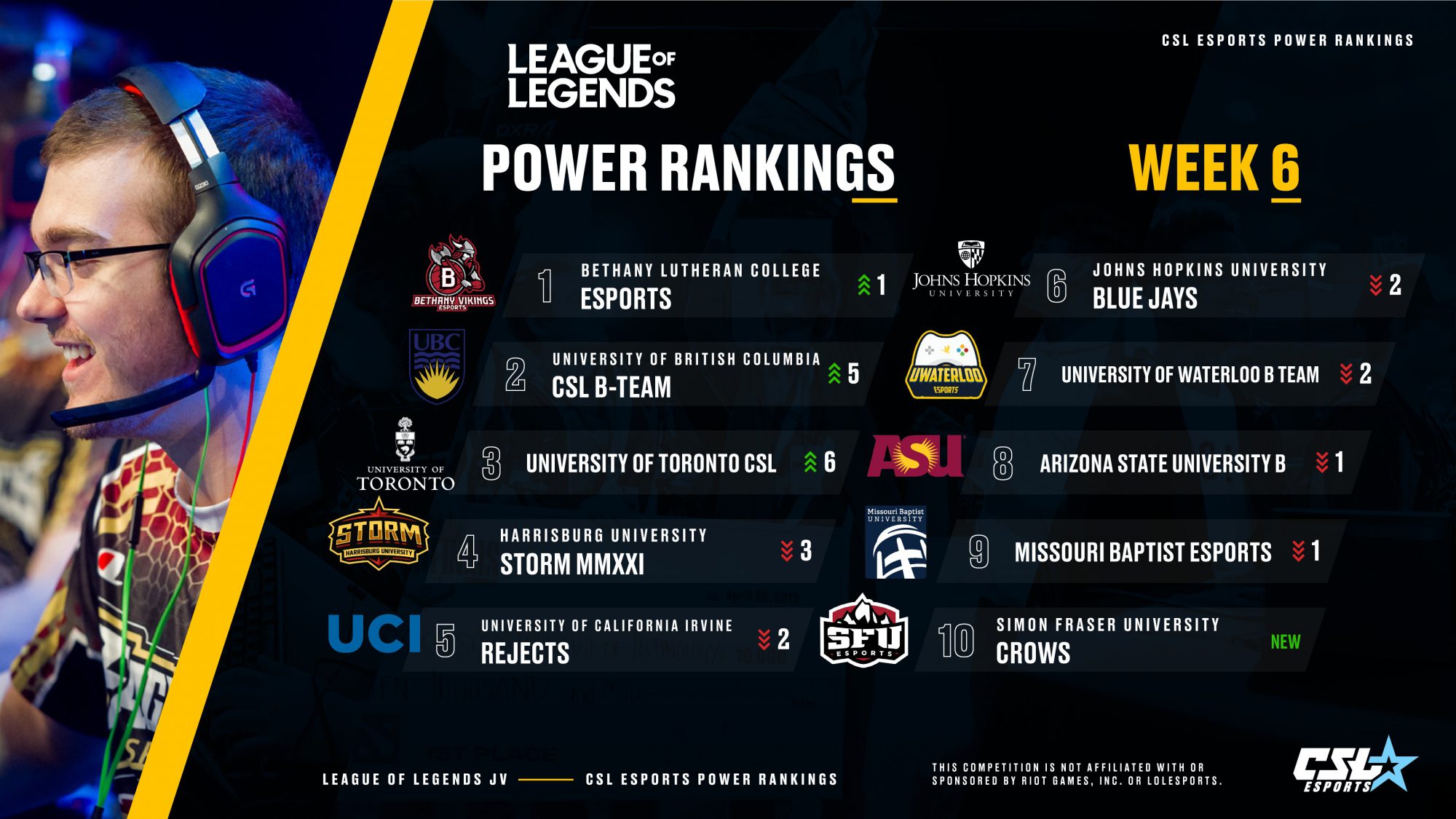
The Rise of Professional Esports Leagues
Esports, once considered a niche hobby, has transformed into a global phenomenon with the emergence of professional esports leagues. These competitive gaming competitions have captivated audiences worldwide and elevated gaming to a professional sport on par with traditional athletics.
Structure and Organization
Professional esports leagues are structured similarly to traditional sports leagues, with teams competing in organized tournaments and seasons. Each league typically focuses on specific popular games such as League of Legends, Counter-Strike: Global Offensive, Dota 2, and Overwatch.
Growth and Popularity
The growth of professional esports leagues has been exponential, attracting millions of viewers both online and in live events. Major tournaments like The International for Dota 2 and the League of Legends World Championship draw massive audiences and offer substantial prize pools, often reaching millions of dollars.
Player Salaries and Sponsorships
Professional esports players are now earning salaries comparable to traditional athletes, with top players signing lucrative contracts with teams or organizations. Sponsorships from leading brands further contribute to the financial success of players and teams within the esports industry.
Broadcasting and Streaming
Esports leagues are broadcasted on various platforms such as Twitch, YouTube Gaming, and traditional television networks. These broadcasts feature professional commentary, analysis, and production quality that rival traditional sports broadcasts.
The Future of Esports Leagues
As the popularity of esports continues to soar, professional leagues are expected to expand further and attract even more investment from sponsors and media companies. The future holds immense potential for the growth and mainstream acceptance of esports as a legitimate form of entertainment.
9 Benefits of Professional Esports Leagues: Elevating Gaming to a Global Stage
- Professional esports leagues offer a platform for gamers to showcase their skills and compete at the highest level.
- Players in professional esports leagues can earn substantial salaries and secure lucrative sponsorships.
- Esports leagues provide entertainment for millions of fans worldwide, both online and in live events.
- The competitive nature of professional esports leagues drives players to constantly improve and innovate in their gameplay.
- Esports competitions promote teamwork, communication, and strategic thinking among players and teams.
- Professional esports leagues help legitimize gaming as a respected form of sport and entertainment.
- The global reach of esports leagues allows players from diverse backgrounds to participate and excel on an international stage.
- Esports broadcasts feature high-quality production values, engaging commentary, and analysis that enhance the viewing experience for fans.
- Participation in professional esports leagues can open doors to various career opportunities within the gaming industry, such as coaching, casting, or content creation.
Challenges Facing Professional Esports Leagues: Stress, Instability, and Integrity Concerns
- 1. High levels of competition can lead to stress and burnout among players.
- 2. Professional esports leagues may lack the physical activity and health benefits associated with traditional sports.
- 3. The volatile nature of the esports industry can result in instability for players and teams.
- 4. Some leagues face issues with transparency and fairness in tournament organization and rule enforcement.
- 5. Esports athletes may experience social isolation due to long hours of practice and competition.
- 6. Concerns about cheating, match-fixing, and doping can tarnish the integrity of professional esports leagues.
Professional esports leagues offer a platform for gamers to showcase their skills and compete at the highest level.
Professional esports leagues provide a valuable platform for gamers to demonstrate their talents and engage in high-level competition. By participating in these leagues, players have the opportunity to showcase their skills on a global stage and challenge themselves against top-tier opponents. This environment not only fosters individual growth and improvement but also allows gamers to pursue their passion for gaming at a competitive level, driving the evolution of esports as a respected and recognized industry.
Players in professional esports leagues can earn substantial salaries and secure lucrative sponsorships.
Players in professional esports leagues have the opportunity to earn substantial salaries and secure lucrative sponsorships, making a career in competitive gaming financially rewarding. Top players can command impressive paychecks from their teams or organizations, while sponsorships from leading brands provide additional income streams. This financial stability not only rewards players for their dedication and skill but also elevates the status of esports as a legitimate and lucrative profession in the modern entertainment industry.
Esports leagues provide entertainment for millions of fans worldwide, both online and in live events.
Esports leagues offer a captivating form of entertainment for millions of fans globally, whether they tune in online or attend live events. The thrill of competitive gaming, combined with the skill and strategy displayed by professional players, draws in audiences from diverse backgrounds and regions. Through engaging broadcasts and exciting tournaments, esports leagues create a shared experience that unites fans around the world in their passion for gaming and competition.
The competitive nature of professional esports leagues drives players to constantly improve and innovate in their gameplay.
The competitive nature of professional esports leagues serves as a powerful catalyst for players to continuously enhance their skills and explore innovative strategies within their gameplay. The relentless drive to succeed in high-stakes competitions pushes players to push their limits, adapt to new challenges, and seek out creative solutions, ultimately raising the overall level of play and setting new standards of excellence in the esports industry.
Esports competitions promote teamwork, communication, and strategic thinking among players and teams.
Esports competitions serve as a powerful platform for fostering teamwork, communication, and strategic thinking among players and teams. In the high-pressure environment of competitive gaming, players must collaborate effectively, communicate clearly and efficiently, and devise intricate strategies to outsmart their opponents. These essential skills not only enhance gameplay but also translate into real-world applications, preparing players for success in various aspects of their lives beyond the virtual arena.
Professional esports leagues help legitimize gaming as a respected form of sport and entertainment.
Professional esports leagues play a crucial role in legitimizing gaming as a respected form of sport and entertainment. By organizing structured competitions, professional leagues showcase the skill, dedication, and strategy required to excel in competitive gaming. This recognition not only elevates the status of esports within the broader sports industry but also helps dispel stereotypes and misconceptions about gaming. As top players and teams compete on a global stage with professionalism and passion, the acceptance of esports as a legitimate and respected form of entertainment continues to grow.
The global reach of esports leagues allows players from diverse backgrounds to participate and excel on an international stage.
The global reach of professional esports leagues provides a unique opportunity for players from diverse backgrounds to showcase their skills and compete on an international platform. Unlike traditional sports, esports transcends geographical boundaries, allowing individuals from various cultures and regions to come together and demonstrate their talent in gaming. This inclusivity not only fosters a sense of unity among players but also promotes diversity and representation within the competitive gaming community.
Esports broadcasts feature high-quality production values, engaging commentary, and analysis that enhance the viewing experience for fans.
Esports broadcasts set a new standard in entertainment with their high-quality production values, engaging commentary, and insightful analysis that elevate the viewing experience for fans. The seamless integration of professional commentary and expert analysis adds depth to the gameplay, providing viewers with a deeper understanding of strategies and player performances. These elements combine to create an immersive and captivating viewing experience that keeps fans on the edge of their seats, making esports broadcasts a truly engaging form of entertainment for audiences worldwide.
Participation in professional esports leagues can open doors to various career opportunities within the gaming industry, such as coaching, casting, or content creation.
Participation in professional esports leagues can open doors to various career opportunities within the gaming industry, such as coaching, casting, or content creation. As players gain experience and visibility through competing in these leagues, they have the chance to transition into roles that involve mentoring aspiring gamers, providing commentary during matches, or producing engaging content for gaming audiences. These career paths not only allow individuals to continue pursuing their passion for gaming but also offer avenues for professional growth and success within the rapidly expanding esports ecosystem.
1. High levels of competition can lead to stress and burnout among players.
The intense competition within professional esports leagues can have a detrimental impact on players, potentially leading to high levels of stress and burnout. The constant pressure to perform at the highest level, coupled with rigorous training schedules and the expectation of consistent success, can take a toll on players’ mental and physical well-being. The demanding nature of competitive gaming can result in players experiencing fatigue, anxiety, and even depression, highlighting the importance of prioritizing player health and well-being within the esports industry.
2. Professional esports leagues may lack the physical activity and health benefits associated with traditional sports.
Professional esports leagues may face criticism for their lack of physical activity and the health benefits typically associated with traditional sports. Unlike physical sports that require athletes to engage in strenuous physical exertion, esports primarily involve mental and strategic gameplay. The sedentary nature of competitive gaming can lead to concerns about prolonged sitting, potential issues with posture, and a lack of physical fitness among players. While esports organizations are increasingly emphasizing player wellness and incorporating fitness programs, the absence of physical activity remains a notable con when comparing professional esports leagues to traditional sports.
3. The volatile nature of the esports industry can result in instability for players and teams.
The volatile nature of the esports industry poses a significant con for professional players and teams, leading to potential instability. Fluctuations in game popularity, sponsorships, and tournament structures can impact the livelihoods of players and the sustainability of teams. This uncertainty requires individuals and organizations to adapt quickly to changes in the industry landscape, making long-term planning and career stability challenging in the ever-evolving world of esports.
4. Some leagues face issues with transparency and fairness in tournament organization and rule enforcement.
Some professional esports leagues encounter challenges related to transparency and fairness in tournament organization and rule enforcement. Issues may arise when there is a lack of clear communication regarding rules, procedures, or decision-making processes, leading to confusion and disputes among players and teams. Inconsistencies in enforcing rules or addressing violations can undermine the integrity of competitions and create an atmosphere of distrust within the esports community. Maintaining transparency and ensuring fair play are essential aspects that professional leagues need to address to uphold the credibility and legitimacy of competitive gaming.
5. Esports athletes may experience social isolation due to long hours of practice and competition.
Esports athletes may face the challenge of social isolation as a significant drawback of professional esports leagues. The demanding schedules and long hours of practice and competition required to excel in the esports industry can often lead to players spending extended periods in front of screens, limiting their social interactions with friends, family, and the outside world. This isolation can impact their mental well-being and overall social development, highlighting the importance of balancing intense training regimens with opportunities for meaningful social connections and support systems.
6. Concerns about cheating, match-fixing, and doping can tarnish the integrity of professional esports leagues.
Concerns about cheating, match-fixing, and doping present a significant con for professional esports leagues as they have the potential to tarnish the integrity of the competitions. Instances of players using unauthorized software to gain an unfair advantage, participating in match-fixing schemes for financial gain, or using performance-enhancing substances can undermine the credibility and fairness of esports tournaments. Maintaining a level playing field and implementing robust anti-cheating measures are crucial to preserving the integrity and reputation of professional esports leagues in the eyes of both fans and sponsors.
Leave a Comment