
Understanding the Importance of STCW 95 in Maritime Training and Certification
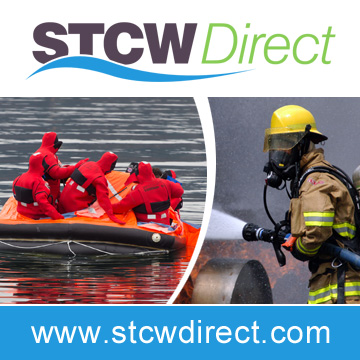
STCW 95: Standards of Training, Certification, and Watchkeeping for Seafarers
The International Convention on Standards of Training, Certification, and Watchkeeping for Seafarers (STCW) plays a crucial role in ensuring the safety and competence of seafarers worldwide. The STCW 95 convention, adopted in 1995, sets minimum standards for training, certification, and watchkeeping duties for seafarers on an international level.
STCW 95 covers a wide range of topics essential for maritime safety and professionalism. These include basic training requirements, proficiency in survival craft and rescue boats, medical care onboard ships, security awareness training, and more. By establishing these standards, the convention aims to enhance maritime safety, protect the marine environment, and promote a high level of professionalism among seafarers.
Compliance with STCW requirements is mandatory for all seafarers working on ships subject to the convention. This ensures that individuals serving at sea have received adequate training and possess the necessary skills to perform their duties effectively and safely. Additionally, countries that are signatories to the STCW convention are responsible for implementing its provisions into their national laws and regulations.
Continuous updates and amendments to the STCW convention help address emerging challenges in the maritime industry and reflect advancements in technology and best practices. By staying current with STCW regulations, seafarers can maintain their qualifications and certifications in accordance with international standards.
In conclusion, STCW 95 serves as a cornerstone of maritime safety and professionalism by setting forth essential training requirements and certification standards for seafarers worldwide. Adherence to these standards not only benefits individual seafarers but also contributes to a safer and more efficient global shipping industry.
8 Key Benefits of STCW 95: Elevating Maritime Safety and Professionalism
- Enhances maritime safety by setting minimum training standards for seafarers
- Promotes professionalism among seafarers through certification requirements
- Protects the marine environment by ensuring competent and skilled crew members
- Improves emergency response capabilities with proficiency in survival craft and rescue operations
- Increases security awareness onboard ships to prevent potential threats
- Standardizes training globally, facilitating seamless cooperation among international crews
- Updates and amendments reflect industry advancements, keeping standards current
- Mandatory compliance ensures a high level of competence and readiness at sea
Challenges of STCW 95: Costs, Delays, Rigidity, and Inconsistencies
- STCW 95 compliance can lead to additional training costs for seafarers and maritime companies.
- Strict STCW requirements may result in longer certification processes, delaying seafarers’ ability to start working on ships.
- Limited flexibility in STCW regulations could hinder innovation and adaptation to changing industry needs.
- Differing interpretations of STCW standards among countries may create inconsistencies in training and certification processes.
Enhances maritime safety by setting minimum training standards for seafarers
By setting minimum training standards for seafarers, STCW 95 plays a crucial role in enhancing maritime safety. These standards ensure that seafarers possess the necessary skills and knowledge to effectively handle emergency situations, operate essential equipment, and adhere to best practices while at sea. By equipping seafarers with the required training, the convention helps mitigate risks and promotes a culture of safety onboard ships, ultimately contributing to a safer maritime environment for all stakeholders involved.
Promotes professionalism among seafarers through certification requirements
The promotion of professionalism among seafarers through certification requirements is a significant advantage of STCW 95. By establishing clear standards for training and certification, the convention ensures that seafarers possess the necessary skills and knowledge to perform their duties competently and safely. This emphasis on professionalism not only enhances the quality of maritime services but also instills a sense of accountability and responsibility among seafarers, contributing to a culture of excellence and reliability in the global shipping industry.
Protects the marine environment by ensuring competent and skilled crew members
The STCW 95 convention stands as a critical proponent in safeguarding the marine environment by guaranteeing that crew members are competent and skilled. By establishing minimum standards for training and certification, STCW 95 ensures that seafarers possess the necessary expertise to handle maritime operations with proficiency and care. Competent crew members contribute to the prevention of accidents and incidents at sea, thereby reducing the potential for environmental harm. Through its emphasis on professionalism and capability, STCW 95 plays a vital role in preserving the delicate balance of the marine ecosystem.
Improves emergency response capabilities with proficiency in survival craft and rescue operations
The STCW 95 convention brings a significant benefit by enhancing emergency response capabilities through proficiency in survival craft and rescue operations. By ensuring that seafarers receive training in these critical areas, the convention equips them with the skills and knowledge needed to effectively respond to emergencies at sea. This proactive approach not only enhances the safety of crew members but also contributes to a more robust and efficient emergency preparedness framework within the maritime industry.
Increases security awareness onboard ships to prevent potential threats
STCW 95’s emphasis on increasing security awareness onboard ships is a vital pro that helps to prevent potential threats in the maritime industry. By ensuring that seafarers are well-trained and equipped to recognize and respond to security risks, the convention enhances the overall safety and security of vessels at sea. This proactive approach not only safeguards the crew and cargo but also contributes to maintaining the integrity of maritime operations, making STCW 95 an essential framework for promoting a secure environment in the shipping industry.
Standardizes training globally, facilitating seamless cooperation among international crews
The standardization of training globally under STCW 95 plays a significant role in facilitating seamless cooperation among international crews. By establishing uniform training requirements and certification standards for seafarers worldwide, the convention ensures that crew members from different countries possess a common set of skills and knowledge. This harmonization not only enhances communication and teamwork onboard ships but also promotes a shared understanding of best practices and safety protocols. Ultimately, the global standardization of training under STCW 95 fosters a more cohesive and efficient working environment for international maritime crews.
Updates and amendments reflect industry advancements, keeping standards current
One significant advantage of STCW 95 is its proactive approach to updates and amendments that reflect industry advancements, ensuring that training standards remain current and relevant. By incorporating the latest developments in technology, safety practices, and best industry practices, the convention helps to enhance the skills and competencies of seafarers in line with evolving maritime requirements. This commitment to staying abreast of industry changes not only improves the overall quality of training but also contributes to a safer and more efficient maritime environment for all stakeholders involved.
Mandatory compliance ensures a high level of competence and readiness at sea
Mandatory compliance with the STCW 95 standards ensures a high level of competence and readiness among seafarers at sea. By requiring all seafarers to undergo specific training and certification processes, the convention guarantees that individuals possess the necessary skills and knowledge to handle various situations effectively while onboard a vessel. This proactive approach not only enhances safety and security at sea but also instills confidence in both seafarers and maritime stakeholders, ultimately contributing to a more reliable and proficient maritime workforce.
STCW 95 compliance can lead to additional training costs for seafarers and maritime companies.
Ensuring compliance with STCW 95 standards may result in additional training costs for both seafarers and maritime companies. Meeting the requirements set forth by the convention often involves investing in specialized training programs, courses, and certifications to maintain the necessary qualifications. For seafarers, these added expenses can impact their personal finances, while maritime companies may face increased operational costs to ensure their crew members are properly trained and certified. Despite the financial implications, prioritizing STCW 95 compliance remains essential for upholding safety standards and professionalism within the maritime industry.
Strict STCW requirements may result in longer certification processes, delaying seafarers’ ability to start working on ships.
Strict STCW requirements, while crucial for ensuring the competence and safety of seafarers, can sometimes lead to longer certification processes. This delay in obtaining necessary certifications may hinder seafarers’ ability to promptly start working on ships, impacting their career opportunities and income potential. Balancing the need for thorough training with the practical considerations of seafarers seeking employment highlights the importance of efficient and streamlined certification procedures within the framework of STCW 95.
Limited flexibility in STCW regulations could hinder innovation and adaptation to changing industry needs.
The con of STCW 95 lies in its limited flexibility within regulations, which could potentially hinder innovation and the ability to adapt to evolving industry needs. The strict adherence to standardized training and certification requirements may limit the industry’s capacity to swiftly integrate new technologies, practices, or specialized skills that could enhance safety and efficiency at sea. As the maritime sector continues to evolve, there is a growing need for a more agile framework that allows for innovation while maintaining high standards of training and competency among seafarers.
Differing interpretations of STCW standards among countries may create inconsistencies in training and certification processes.
Differing interpretations of STCW standards among countries can lead to inconsistencies in training and certification processes for seafarers. When countries implement the STCW requirements in their national laws, variations in how the standards are understood and applied can arise. This lack of uniformity may result in disparities in the quality and rigor of training programs, as well as differences in the evaluation criteria for certification. As a consequence, seafarers seeking to work internationally may encounter challenges in navigating these discrepancies and ensuring that their qualifications meet the expectations of different maritime authorities. Efforts to harmonize interpretations of STCW standards across countries are essential to promote greater consistency and effectiveness in training and certification processes within the global maritime industry.


Leave a Comment