
The Game of Strategy, Skill, and Teamwork
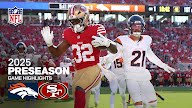
Football: A Game of Strategy, Skill, and Teamwork
Football is one of the most popular sports in the United States, bringing together players and fans for a game built on athleticism, strategy, and teamwork. From youth leagues to college programs and the professional level, football has become an important part of American sports culture.
How the Game Works
In American football, two teams compete to move the ball down the field and score points. The offense advances the ball by running with it or throwing it to a teammate. The defense tries to stop that progress, force a turnover, or prevent the opposing team from scoring.
A team generally has four attempts, called downs, to advance the ball at least 10 yards. If it succeeds, it earns a new set of downs. A touchdown, worth six points, is scored when a player carries the ball into the opposing team’s end zone or catches it there. Teams can then try for an extra point or attempt a two-point conversion. Field goals and safeties provide other ways to score.
Positions and Roles
Football players have specialized roles. The quarterback leads the offense and throws or hands off the ball. Running backs carry the ball, while wide receivers and tight ends catch passes. The offensive line protects the quarterback and creates openings for runners.
On defense, linemen pressure the offense, linebackers defend against runs and passes, and defensive backs cover receivers and try to intercept the ball. Special teams handle kickoffs, punts, and field-goal attempts. Each unit depends on coordination and preparation.
Strategy and Preparation
Football is both a physical contest and a strategic one. Coaches design plays, study opponents, and make decisions based on the game situation. A team may choose a running play to control the clock or a passing play to gain yards quickly. Defensive formations and adjustments are chosen to counter those plans.
Preparation also includes practice, conditioning, film study, and communication. Because each play involves many players acting at once, timing and trust can make a major difference. A small mistake—or a well-executed adjustment—can change the course of a game.
Football’s Place in American Culture
Football is played and followed at many levels across the country. High school games bring communities together, college football inspires devoted fan bases, and the professional league attracts viewers nationwide. Major games often become shared social events, complete with family gatherings, school traditions, and local celebrations.
The sport also continues to evolve. Rule changes, improved equipment, and greater attention to player health have influenced how the game is played and organized. These developments reflect ongoing efforts to balance the excitement of competition with the safety and well-being of athletes.
More Than a Game
Football teaches lessons in cooperation, discipline, resilience, and responsibility. Players learn to work toward shared goals, respond to setbacks, and rely on their teammates. Whether played on a neighborhood field or watched from the stands, football remains a powerful example of how strategy and collective effort can bring people together.
5 Benefits of Football: Building Teamwork, Fitness, Discipline, Community, and Competition
- Builds teamwork and communication
- Improves strength and fitness
- Teaches discipline and strategy
- Creates strong community bonds
- Offers exciting competition
Consider These 4 Drawbacks Before Joining Football: Safety, Cost, and Time Commitment
- Football can cause serious injuries.
- Concussions are a major safety concern.
- Equipment and league fees can be expensive.
- Games can take several hours.
Builds teamwork and communication
Football builds teamwork and communication by requiring players to coordinate their actions and work toward a shared goal. Every position has a specific role, and success depends on teammates trusting one another, listening to coaches, and clearly communicating before and during each play. Through practice and competition, players learn to support one another, make quick decisions together, and understand how individual contributions strengthen the whole team.
Improves strength and fitness
Football can improve strength and overall fitness by combining sprinting, tackling, blocking, throwing, and quick changes of direction. These activities challenge the muscles and cardiovascular system while helping players build power, endurance, agility, and coordination. Regular practices and games can also encourage athletes to stay active and maintain a consistent exercise routine.
Teaches discipline and strategy
Football teaches discipline and strategy by asking players to follow structured plays, practice consistently, and stay focused throughout the game. Athletes learn to manage their responsibilities, respond to coaching, and make quick decisions under pressure. Because success depends on teammates working together, players also develop the ability to plan ahead, adapt to changing situations, and carry out a shared strategy.
Creates strong community bonds
Football can create strong community bonds by bringing people together around a shared team and a common passion. Fans gather at games, host watch parties, and celebrate victories together, while local teams give neighbors a chance to support players from their own schools and towns. These shared experiences help people connect across generations and backgrounds, strengthening a sense of belonging and community pride.
Offers exciting competition
Football offers exciting competition, with every play creating a chance to gain ground, make a crucial stop, or change the momentum of the game. The mix of speed, strategy, and teamwork keeps players and fans engaged from kickoff to the final whistle.
Football can cause serious injuries.
One major drawback of football is the risk of serious injuries. Players may suffer sprains, fractures, concussions, and other injuries from collisions, falls, or repeated physical contact. Protective equipment and safety rules can help reduce these risks, but they cannot eliminate them, making proper training, medical care, and injury prevention essential.
Concussions are a major safety concern.
Concussions are a major safety concern in football because impacts to the head can cause symptoms such as headaches, dizziness, confusion, and memory problems. Repeated head injuries may also have lasting effects on a player’s health, making prevention and proper care essential. Improved equipment, safer tackling techniques, rule enforcement, and prompt medical evaluation can help reduce risks, but no helmet or rule can eliminate the possibility of a concussion.
Equipment and league fees can be expensive.
One drawback of football is that participating can be expensive. Players may need helmets, pads, cleats, uniforms, and other gear, while league registration, travel, and training fees can add up. These costs may make it harder for some families to enroll their children or for adults to continue playing, even when they enjoy the sport.
Games can take several hours.
One drawback of football is that games can take several hours to finish. Frequent pauses for timeouts, penalties, reviews, and breaks between plays can make the actual playing time feel much shorter than the total event. This long commitment may be inconvenient for fans with busy schedules or for families attending in person.

Leave a Comment