
Virtual Esports Tournament: How Online Competition Brings Players Together
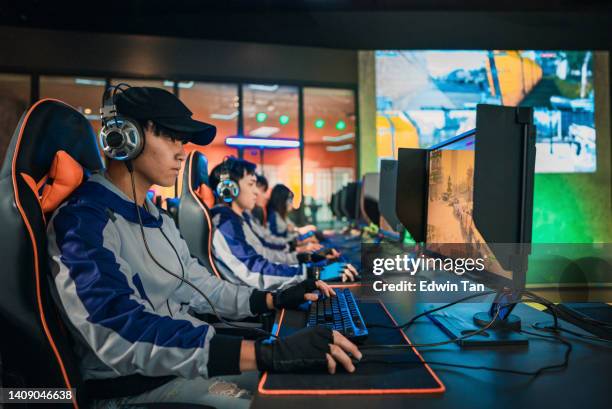
Virtual Esports Tournaments: How Online Competition Brings Players Together
A virtual esports tournament is a competitive gaming event held online. Instead of traveling to one venue, players compete from their own locations using an internet connection and an agreed-upon game platform. Tournaments can range from casual community competitions to highly organized events featuring teams, live broadcasts, and prizes.
As online gaming has grown, virtual tournaments have made competitive play more accessible. Players can test their skills, meet others who share their interests, and enjoy the excitement of competition without needing to attend an in-person event.
How a Virtual Esports Tournament Works
Each tournament has its own rules, but most follow a similar process. Organizers choose a game, set the competition format, establish eligibility requirements, and announce registration details. Players or teams sign up, receive a schedule, and compete online using the designated platform.
Common formats include single-elimination brackets, where one loss ends a competitor’s run; double-elimination brackets, which allow a second chance; and round-robin formats, where participants play multiple opponents. Some events also use qualifying rounds before advancing players to a final stage.
Clear rules help everyone understand how matches are played and how winners are determined. Tournament guidelines may cover game settings, match timing, reporting results, disconnects, and how to contact an administrator if a dispute arises.
Why Online Tournaments Are Popular
- Convenience: Players can compete from home without travel or venue costs.
- Broader participation: Online events can bring together players from different cities, regions, or countries.
- Flexible formats: Organizers can create events for solo players, teams, beginners, or experienced competitors.
- Community: Tournaments give players a reason to connect, cooperate, and celebrate the game together.
- Skill development: Competitive matches can help players practice communication, strategy, and decision-making.
What Makes a Tournament Run Smoothly?
Good organization is essential to a positive tournament experience. Participants should be able to find the schedule, rules, match instructions, and support information before the event begins. Organizers can reduce confusion by explaining how check-in works, when players should be available, and how results must be submitted.
Reliable technology matters, too. A stable internet connection and a device that can run the game are important for competitors. Organizers may also use tournament software, voice chat, or livestreaming tools to coordinate matches and share highlights. Since technical problems can happen, it helps to explain in advance how the event will handle delays or disconnections.
Fairness should be a priority throughout the competition. Consistent rules, clear communication, and a process for resolving disputes help build trust. Respectful behavior is just as important: players should follow the game’s code of conduct and treat opponents, teammates, and event staff courteously.
Tips for Players
Before entering a virtual esports tournament, read the rules and confirm that you meet the eligibility requirements. Check the match schedule, prepare your equipment, and make sure your game and communication software are updated. If the tournament requires a team, agree on roles and practice together ahead of time.
On competition day, sign in early and keep an eye on official event communications. If an issue comes up, contact the organizers through the designated channel rather than relying on informal messages. Most importantly, focus on playing your best while keeping the experience enjoyable for everyone.
The Future of Virtual Esports
Virtual esports tournaments continue to evolve as games, streaming tools, and online communities develop. They offer an accessible way to experience organized competition and can serve as a starting point for players interested in more advanced events. Whether the goal is to win, improve, or simply enjoy a great match, online tournaments create new opportunities to take part in esports.
For players and fans alike, a well-run virtual tournament is more than a series of matches. It is a shared event built around skill, teamwork, and a love of gaming.
9 Advantages of Virtual Esports Tournaments: Compete Globally from the Comfort of Home
- Compete from home
- No travel required
- Connect with global players
- Join flexible event formats
- Find tournaments for every skill level
- Build teamwork and communication
- Practice strategic thinking
- Enjoy live online competition
- Meet a gaming community
Challenges of Virtual Esports Tournaments: Connectivity, Technical Hurdles, and Social Dynamics
- Internet issues can disrupt matches.
- Technical problems may cause delays.
- Online play can feel less social.
- Cheating can be harder to detect.
- Time zone differences complicate scheduling.
Compete from home
One of the biggest advantages of a virtual esports tournament is the ability to compete from home. Players can join matches from a familiar, comfortable environment without spending time or money traveling to a venue. This makes tournaments more convenient and accessible, allowing more people to take part while keeping the focus on the game.
No travel required
One of the biggest advantages of a virtual esports tournament is that no travel is required. Players can compete from home or another convenient location, saving time and money on transportation, lodging, and meals. This makes tournaments easier to fit into busy schedules and allows people from different cities or regions to compete without the added cost or planning of attending an in-person event.
Connect with global players
One of the biggest advantages of a virtual esports tournament is the chance to connect with players from around the world. Competing online brings together people with different backgrounds, play styles, and perspectives, creating opportunities to make friends, build teams, and learn new strategies. These global connections can turn a single tournament into the start of a lasting gaming community.
Join flexible event formats
Virtual esports tournaments offer flexible event formats to suit different players, schedules, and skill levels. You can join a quick one-on-one bracket, compete as part of a team, or take part in a longer league with matches spread across multiple days. This variety makes it easier to find an event that fits your availability and preferred way to play.
Find tournaments for every skill level
Virtual esports tournaments make it easier to find competition that fits your experience and goals. Beginners can join casual events to learn the format and build confidence, while more experienced players can enter tougher brackets to challenge their skills. With tournaments available across a range of games and ability levels, players can compete at a pace that feels rewarding and find room to grow over time.
Build teamwork and communication
Virtual esports tournaments help players build teamwork and communication skills by giving them opportunities to coordinate strategies, share information, and make decisions together in real time. Team members learn to listen, give clear callouts, adapt to changing situations, and support one another under pressure. These skills can strengthen both in-game performance and the connections players form with their teammates.
Practice strategic thinking
Virtual esports tournaments give players regular opportunities to practice strategic thinking in fast-paced, competitive situations. They must assess opponents, anticipate likely moves, adapt when plans change, and make thoughtful decisions under pressure. Over time, this experience can sharpen problem-solving skills and help players develop strategies that work for different challenges and play styles.
Enjoy live online competition
Virtual esports tournaments let players enjoy live competition from wherever they are. Follow the action as matches unfold, compete against opponents in real time, and share the excitement with teammates and fans through online chat or streams. The live format brings the energy of an esports event to your screen—without the need to travel to a venue.
Meet a gaming community
A virtual esports tournament is a great way to meet a gaming community. By competing online, players can connect with others who enjoy the same games, share strategies, and build friendships across different locations. Whether joining a team, chatting between matches, or cheering on other competitors, participants can feel part of a welcoming community that extends beyond the tournament itself.
Internet issues can disrupt matches.
Internet issues can disrupt virtual esports tournament matches, causing lag, delayed actions, or sudden disconnections at critical moments. Even a brief interruption can affect a player’s performance or change the outcome of a close game. Organizers can set clear rules for connection problems and rescheduling, but unstable internet remains a challenge that players may not be able to control.
Technical problems may cause delays.
Technical problems can disrupt a virtual esports tournament and cause matches to start late or pause unexpectedly. Unstable internet connections, server outages, software updates, or hardware failures may affect one or more players, making it harder to keep the event on schedule. Clear backup plans and communication from organizers can help reduce frustration, but delays may still interrupt the competition for players and viewers.
Online play can feel less social.
One drawback of virtual esports tournaments is that online play can feel less social than meeting in person. Players may miss the conversations, shared excitement, and chance to make connections that naturally happen at a live event. Even with voice chat, competing from separate locations can make it harder to feel part of a team or community.
Cheating can be harder to detect.
Cheating can be harder to detect in a virtual esports tournament because players compete remotely, making it more difficult for organizers to monitor their equipment and gameplay in person. Unauthorized software, outside assistance, or rule-breaking may not be immediately visible during a match. To help protect fair play, tournament organizers can set clear rules, use appropriate monitoring and anti-cheat tools, and establish a consistent process for reviewing suspicious activity.
Time zone differences complicate scheduling.
Time zone differences can make scheduling a virtual esports tournament challenging, especially when players are spread across multiple regions. A match time that works well for one competitor may fall late at night or during school or work hours for another. Organizers may need to offer flexible match windows or schedule rounds at different times, which can make the event more complex to coordinate.


Leave a Comment