
Empowering Leadership Through Effective Coaching Strategies
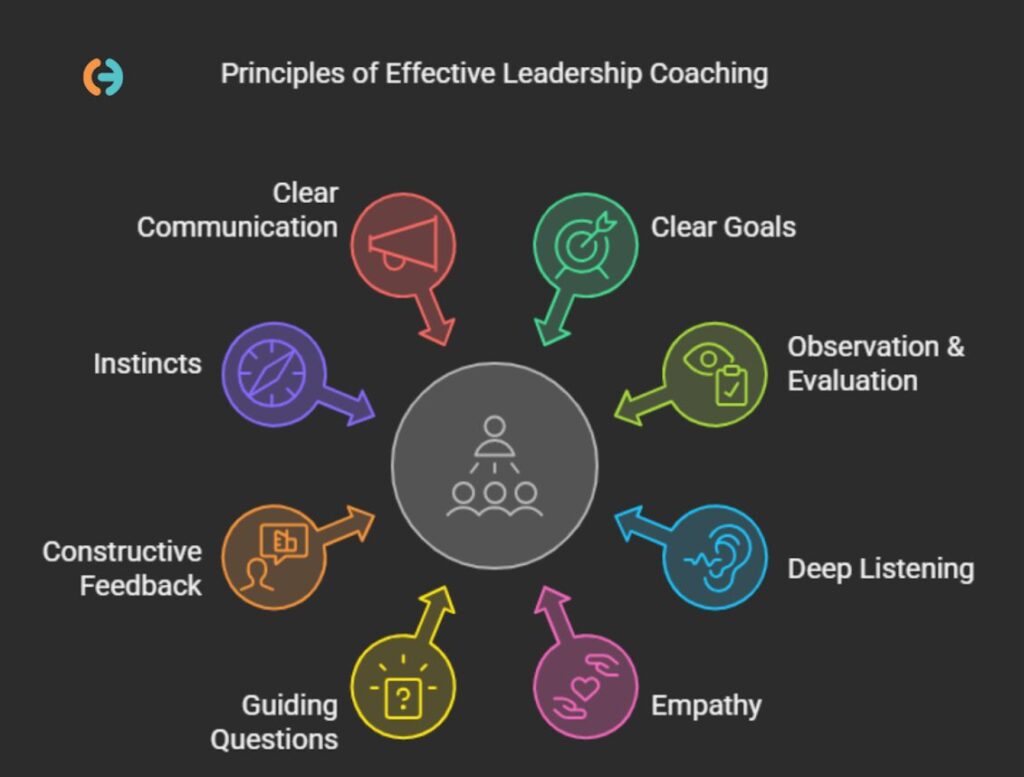
The Power of Leadership Coaching
Leadership coaching has emerged as a powerful tool for individuals looking to enhance their leadership skills and reach their full potential. It involves a collaborative partnership between a coach and a leader, aimed at unlocking the leader’s capabilities and guiding them towards achieving their professional goals.
Benefits of Leadership Coaching
**Enhanced Self-awareness**: Leadership coaching helps individuals gain a deeper understanding of their strengths, weaknesses, and leadership style. This self-awareness is crucial for effective leadership development.
**Improved Communication Skills**: Coaches work with leaders to enhance their communication skills, enabling them to articulate their vision clearly and inspire others.
**Strategic Thinking**: Through coaching, leaders can develop strategic thinking abilities, allowing them to make informed decisions and navigate complex challenges.
Key Elements of Leadership Coaching
**Goal Setting**: Coaches assist leaders in setting clear and achievable goals that align with their personal and organizational objectives.
**Feedback and Reflection**: Regular feedback sessions help leaders reflect on their actions and behaviors, leading to continuous improvement.
**Accountability**: Coaches hold leaders accountable for their commitments and actions, fostering accountability and ownership.
The Role of a Leadership Coach
A leadership coach acts as a trusted partner who provides guidance, support, and constructive feedback to help leaders overcome challenges and maximize their potential. They create a safe space for leaders to explore new ideas, gain insights, and develop strategies for growth.
Conclusion
Leadership coaching is not just about improving individual performance; it’s about transforming leaders into inspirational visionaries who can drive positive change within their organizations. By investing in leadership coaching, individuals can unlock new levels of success and lead with confidence.
6 Essential Tips for Effective Leadership Coaching
- 1. Build strong relationships with your clients to establish trust and rapport.
- 2. Listen actively and empathetically to understand your client’s challenges and goals.
- 3. Provide constructive feedback and guidance to help your clients grow and develop.
- 4. Encourage self-reflection and introspection to promote personal growth and awareness.
- 5. Set clear goals and action plans with your clients to track progress and success.
- 6. Continuously improve your own coaching skills through training, feedback, and self-reflection.
1. Build strong relationships with your clients to establish trust and rapport.
Building strong relationships with your clients is a fundamental tip in leadership coaching. By establishing trust and rapport, coaches can create a safe and supportive environment where clients feel comfortable sharing their challenges, aspirations, and vulnerabilities. This foundation of trust allows for open communication, constructive feedback, and meaningful progress in the coaching journey. Strong relationships built on trust enable coaches to better understand their clients’ needs and tailor their approach to support them effectively in achieving their leadership development goals.
2. Listen actively and empathetically to understand your client’s challenges and goals.
Active and empathetic listening is a fundamental aspect of effective leadership coaching. By attentively listening to your client’s challenges and goals, you demonstrate genuine care and understanding, fostering a strong coach-client relationship built on trust and support. Through active listening, coaches can gain valuable insights into their client’s perspective, enabling them to provide tailored guidance and strategies that align with the client’s needs. This approach not only enhances communication but also empowers clients to feel heard, valued, and motivated to work towards achieving their leadership goals.
3. Provide constructive feedback and guidance to help your clients grow and develop.
To be an effective leader coach, it is essential to provide constructive feedback and guidance to support the growth and development of your clients. By offering insightful feedback and practical advice, leaders can help their clients identify areas for improvement, build on their strengths, and navigate challenges with confidence. This approach fosters a culture of continuous learning and development, empowering clients to reach their full potential and excel in their leadership roles.
4. Encourage self-reflection and introspection to promote personal growth and awareness.
Encouraging self-reflection and introspection is a valuable tip in leadership coaching. By fostering a culture of introspection, leaders can gain deeper insights into their actions, motivations, and impact on others. This process promotes personal growth and awareness, enabling leaders to identify areas for improvement and make positive changes in their leadership approach. Through self-reflection, leaders can develop a greater understanding of themselves and their leadership style, leading to enhanced decision-making, stronger relationships with team members, and overall professional development.
5. Set clear goals and action plans with your clients to track progress and success.
Setting clear goals and action plans with clients is a fundamental tip in leadership coaching. By establishing specific objectives and outlining actionable steps to achieve them, coaches can track progress effectively and measure success along the way. This structured approach not only provides a roadmap for development but also motivates clients to stay focused and committed to their growth journey. Clear goals and action plans create a sense of direction, accountability, and achievement, guiding leaders towards realizing their full potential and achieving desired outcomes in their leadership roles.
6. Continuously improve your own coaching skills through training, feedback, and self-reflection.
To excel in leadership coaching, it is crucial to prioritize the continuous enhancement of your coaching skills. By engaging in regular training sessions, seeking feedback from peers and clients, and reflecting on your own coaching practices, you can refine your abilities and stay at the forefront of the field. Embracing a mindset of lifelong learning and self-improvement not only benefits your clients but also fosters personal growth and professional success in the realm of leadership coaching.

Leave a Comment