
Mastering Leadership Skills Through Development Training
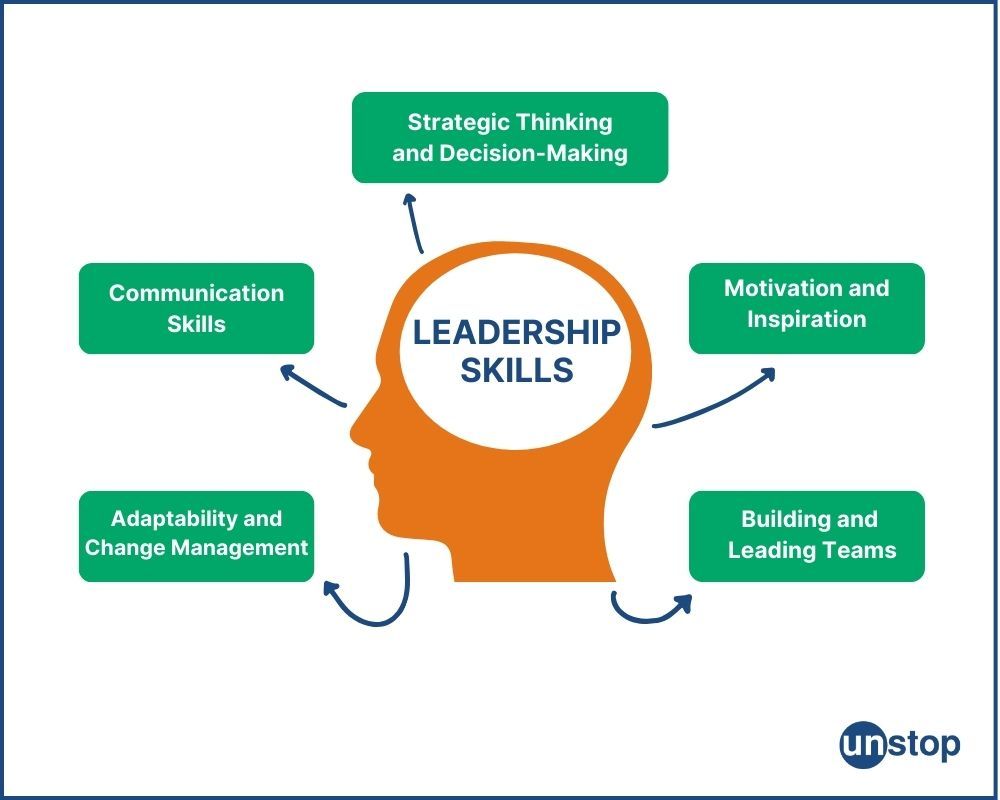
The Importance of Leadership Skills Development Training
Leadership skills are essential in today’s fast-paced and competitive business environment. Effective leaders inspire, motivate, and guide their teams to success. However, leadership is not just an innate trait – it can be developed and honed through training and practice.
Benefits of Leadership Skills Development Training
Improved Communication: Effective leaders excel in communication, both listening and conveying ideas clearly. Training helps individuals enhance their communication skills, leading to better team collaboration and productivity.
Decision-Making: Leaders often face complex decisions that impact their teams and organizations. Leadership training equips individuals with the tools to make informed decisions confidently.
Conflict Resolution: Conflicts are inevitable in any workplace. Leaders trained in conflict resolution can address issues promptly, maintain team harmony, and foster a positive work environment.
Key Components of Leadership Skills Development Training
Self-Awareness: Understanding one’s strengths, weaknesses, and values is crucial for effective leadership. Training programs often include self-assessment tools to help individuals gain insights into their leadership style.
Emotional Intelligence: Leaders with high emotional intelligence can empathize with others, manage emotions effectively, and build strong relationships. Training focuses on developing emotional intelligence for better leadership outcomes.
Strategic Thinking: Effective leaders think long-term and strategically plan for the future of their teams or organizations. Leadership training emphasizes strategic thinking skills to help leaders navigate challenges and seize opportunities.
Conclusion
Leadership skills development training is a valuable investment for individuals aspiring to lead effectively in any setting. By enhancing communication, decision-making, conflict resolution, self-awareness, emotional intelligence, and strategic thinking skills, participants can elevate their leadership capabilities and drive success in their organizations.
5 Essential Tips for Developing Effective Leadership Skills
- Set clear goals and expectations for your team members.
- Communicate effectively and actively listen to your team.
- Provide constructive feedback and recognize achievements.
- Lead by example and demonstrate integrity in your actions.
- Continuously seek opportunities for self-improvement and learning.
Set clear goals and expectations for your team members.
Setting clear goals and expectations for team members is a fundamental aspect of effective leadership skills development training. By establishing specific objectives and outlining the desired outcomes, leaders provide their team members with a sense of direction and purpose. Clear goals help align individual efforts with the overall vision of the team, fostering motivation, accountability, and productivity. When team members understand what is expected of them and have a clear roadmap to follow, they are better equipped to perform at their best and contribute meaningfully to the team’s success.
Communicate effectively and actively listen to your team.
Effective communication and active listening are foundational pillars of successful leadership skills development training. By mastering the art of clear and empathetic communication, leaders can foster trust, collaboration, and understanding within their teams. Actively listening to team members not only demonstrates respect and appreciation but also allows leaders to gain valuable insights, identify challenges, and address concerns effectively. Through practicing effective communication and active listening, leaders can create a supportive and engaging work environment that empowers their team members to thrive and achieve collective goals.
Provide constructive feedback and recognize achievements.
Providing constructive feedback and recognizing achievements are crucial aspects of leadership skills development training. Constructive feedback helps individuals identify areas for improvement and grow professionally, while recognition of achievements boosts morale and motivates team members to excel. By mastering the art of offering feedback in a constructive manner and acknowledging accomplishments, leaders can foster a culture of continuous improvement, engagement, and success within their teams.
Lead by example and demonstrate integrity in your actions.
Leading by example and demonstrating integrity in your actions is a cornerstone of effective leadership skills development training. As a leader, your behavior sets the tone for your team and influences their attitudes and work ethic. By consistently embodying the values you expect from others, such as honesty, accountability, and respect, you establish trust and credibility among your team members. This not only fosters a positive work culture but also inspires others to follow your lead and strive for excellence in their own actions. Ultimately, practicing integrity in leadership paves the way for mutual respect, collaboration, and success within the team.
Continuously seek opportunities for self-improvement and learning.
In the realm of leadership skills development training, a crucial tip is to continuously seek opportunities for self-improvement and learning. Embracing a mindset of lifelong learning not only enhances one’s knowledge and expertise but also fosters personal growth and professional advancement. By actively pursuing new skills, insights, and experiences, individuals can adapt to evolving challenges, expand their leadership capabilities, and inspire those around them through a commitment to ongoing development.


Leave a Comment