
Empowering Leadership Through Coaching and Mentoring for Development
The Power of Coaching and Mentoring in Leadership Development
Effective leadership is crucial for the success of any organization. While some individuals naturally possess leadership qualities, many can benefit from coaching and mentoring to enhance their skills and reach their full potential.
Coaching for Leadership Development
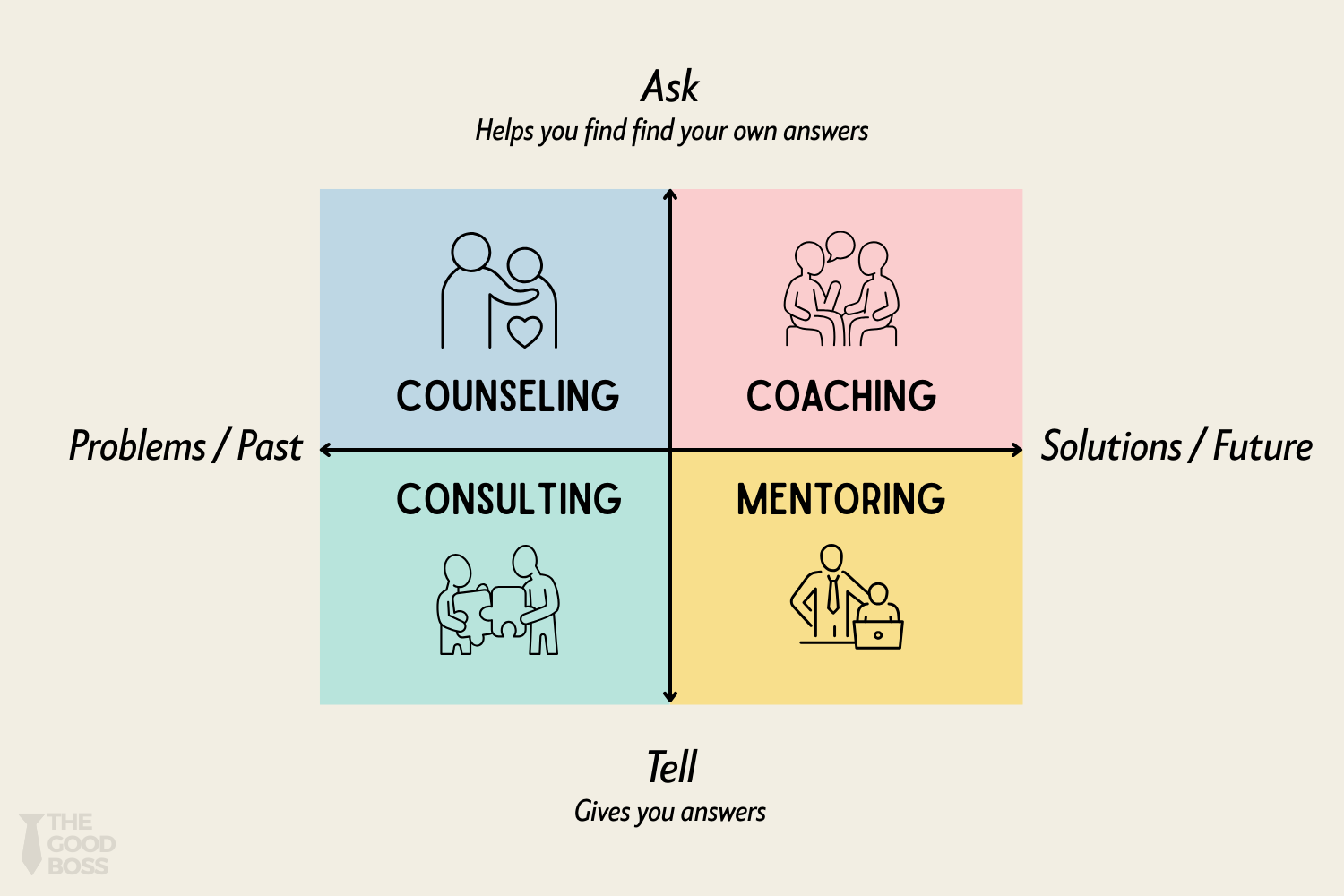
Coaching involves a one-on-one relationship between a coach and a leader with the goal of improving specific skills or achieving particular objectives. Coaches provide guidance, feedback, and support to help leaders identify their strengths and areas for improvement. Through regular sessions, leaders can enhance their communication, decision-making, problem-solving, and emotional intelligence skills.
Mentoring for Leadership Development
Mentoring focuses on the long-term development of leaders by pairing them with experienced mentors who provide wisdom, advice, and perspective based on their own professional journey. Mentors offer insights into organizational dynamics, strategic thinking, career advancement, and personal growth. By building a trusted relationship with a mentor, leaders can gain valuable knowledge and expand their leadership capabilities.
The Benefits of Coaching and Mentoring
- Skill Enhancement: Coaching and mentoring help leaders improve specific competencies essential for effective leadership.
- Self-Awareness: Leaders gain insights into their strengths, weaknesses, values, and motivations through reflective conversations with coaches or mentors.
- Confidence Building: Supportive feedback from coaches and mentors boosts leaders’ confidence in making decisions and leading teams.
- Career Advancement: Coaching and mentoring prepare leaders for higher roles within the organization by honing their leadership abilities.
- Continuous Learning: Ongoing coaching and mentoring foster a culture of continuous learning and development among leaders at all levels.
In conclusion, coaching and mentoring play vital roles in developing effective leaders who can navigate challenges, inspire teams, drive innovation, and achieve organizational goals. By investing in coaching programs and mentorship initiatives, organizations can cultivate a pipeline of skilled leaders ready to lead with confidence in an ever-evolving business landscape.
Exploring Coaching and Mentoring in Leadership Development: Key Questions and Insights
- What is the difference between coaching and mentoring in leadership development?
- How can coaching help leaders improve their communication skills?
- What qualities should one look for in a good leadership coach?
- How can mentoring relationships benefit both mentors and mentees in leadership development?
- What are some common challenges faced by leaders during coaching programs?
- How does emotional intelligence play a role in effective leadership coaching?
- What strategies can organizations implement to create a successful coaching and mentoring culture for leadership development?
What is the difference between coaching and mentoring in leadership development?
In the realm of leadership development, a common query revolves around distinguishing between coaching and mentoring. While coaching typically involves a structured process where a coach provides guidance and feedback to help leaders enhance specific skills or achieve goals, mentoring focuses on fostering a long-term relationship between a more experienced mentor and a leader seeking advice, wisdom, and career insights. Coaching tends to be task-oriented and skill-specific, aiming to improve immediate performance, while mentoring emphasizes holistic development, offering broader career guidance and personal growth opportunities. Both coaching and mentoring play crucial roles in shaping effective leaders by providing tailored support suited to individual needs and goals in the realm of leadership development.
How can coaching help leaders improve their communication skills?
Coaching plays a pivotal role in helping leaders enhance their communication skills through personalized guidance and targeted feedback. Coaches work closely with leaders to identify areas for improvement, such as clarity, active listening, empathy, and nonverbal communication. By providing constructive critiques and practical strategies, coaches help leaders refine their message delivery, adapt their communication style to different audiences, and foster more effective interactions within their teams and across the organization. Through consistent coaching sessions focused on communication development, leaders can gain confidence, refine their messaging techniques, and ultimately become more influential communicators in their leadership roles.
What qualities should one look for in a good leadership coach?
When seeking a good leadership coach, it is essential to consider several key qualities that can make a significant difference in the coaching experience and outcomes. A competent leadership coach should possess strong communication skills to effectively convey feedback and guidance, empathy to understand the leader’s perspective and challenges, adaptability to tailor coaching approaches to individual needs, credibility based on relevant experience and expertise, and a commitment to continuous learning and professional development. Additionally, a good leadership coach should demonstrate integrity, trustworthiness, confidentiality, and a genuine interest in the leader’s growth and success. By prioritizing these qualities in selecting a leadership coach, individuals can maximize their potential for growth and development as effective leaders.
How can mentoring relationships benefit both mentors and mentees in leadership development?
Mentoring relationships in leadership development offer mutual benefits to both mentors and mentees. Mentors gain a sense of fulfillment and personal growth by sharing their knowledge, experiences, and insights with mentees. Through mentoring, mentors can refine their leadership skills, enhance their communication abilities, and gain fresh perspectives on their own leadership style. On the other hand, mentees benefit from the guidance, support, and wisdom provided by mentors. Mentees receive valuable advice, learn from mentors’ successes and challenges, and acquire new skills that accelerate their professional growth and leadership development. Ultimately, mentoring relationships create a symbiotic exchange of learning and growth that enriches both parties involved.
What are some common challenges faced by leaders during coaching programs?
Leaders participating in coaching programs often encounter various challenges that can impact their development process. Some common issues include resistance to feedback, difficulty in implementing new strategies or behaviors, time constraints to fully engage in coaching sessions, and struggles in balancing personal and professional commitments while focusing on leadership growth. Additionally, leaders may face challenges in identifying and addressing their blind spots, managing expectations from stakeholders, and sustaining motivation throughout the coaching journey. Overcoming these obstacles requires self-awareness, openness to change, commitment to continuous learning, and effective communication with coaches to navigate through the complexities of leadership development successfully.
How does emotional intelligence play a role in effective leadership coaching?
Emotional intelligence plays a crucial role in effective leadership coaching by enhancing a leader’s ability to understand and manage their own emotions, as well as empathize with and influence others. Leaders with high emotional intelligence are better equipped to navigate complex interpersonal dynamics, communicate effectively, and build strong relationships with their team members. In coaching sessions focused on emotional intelligence, leaders can develop self-awareness, self-regulation, social awareness, and relationship management skills that are essential for inspiring trust, fostering collaboration, and driving positive organizational outcomes. By integrating emotional intelligence into leadership coaching practices, individuals can cultivate a more inclusive and supportive leadership style that empowers both themselves and those they lead.
What strategies can organizations implement to create a successful coaching and mentoring culture for leadership development?
To create a successful coaching and mentoring culture for leadership development, organizations can implement various strategies. Firstly, establishing clear goals and objectives for coaching and mentoring programs is essential to align them with the organization’s overall vision. Providing training for both coaches and mentors to ensure they have the necessary skills and knowledge to support leaders effectively is crucial. Encouraging open communication and feedback between mentors, coaches, and leaders fosters a culture of continuous improvement. Additionally, creating structured mentorship programs that pair experienced mentors with emerging leaders can facilitate knowledge transfer and skill development. By integrating coaching and mentoring into the organization’s talent development strategy and promoting a supportive learning environment, organizations can cultivate a culture that nurtures leadership growth and success.


Leave a Comment