
Unlocking Success: The Value of Coaching Certification
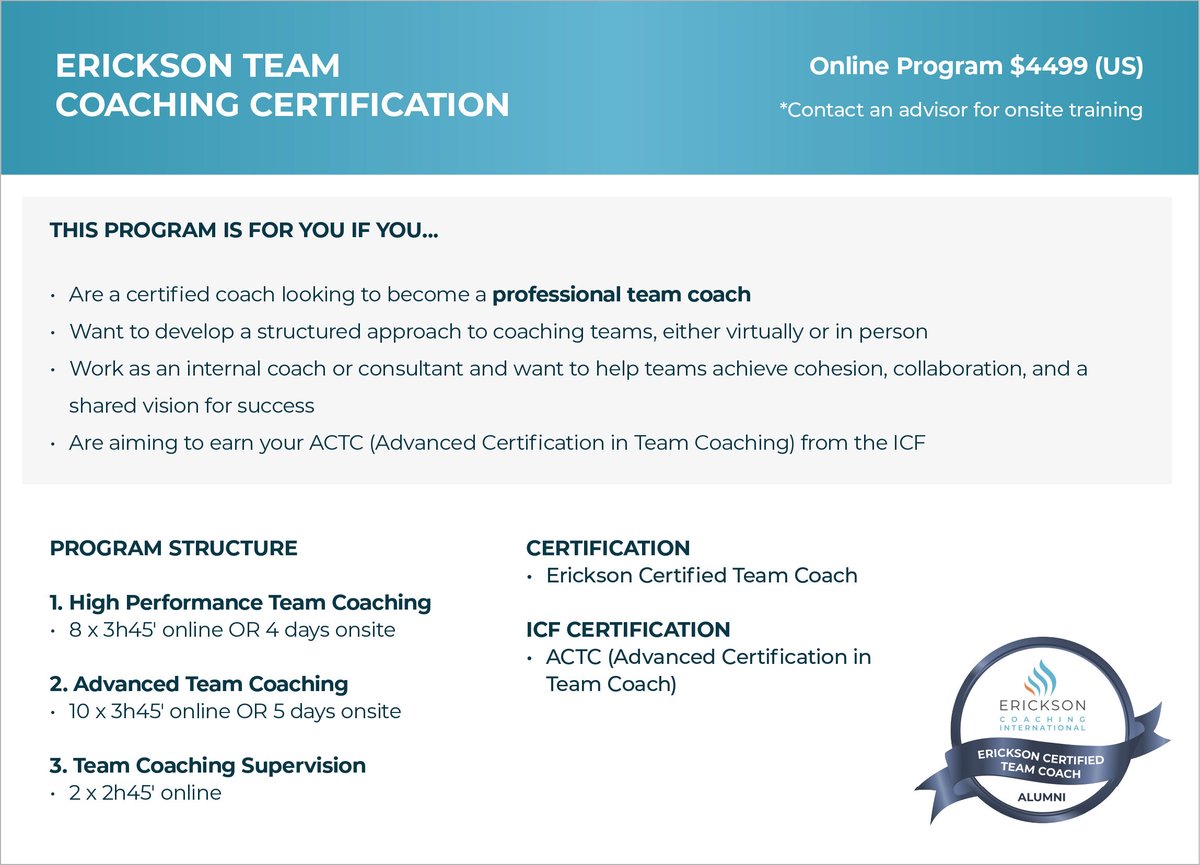
The Importance of Coaching Certification
Coaching certification has become increasingly important in various fields, including sports, business, and personal development. It serves as a validation of an individual’s skills and knowledge in coaching techniques and practices.
Obtaining a coaching certification demonstrates a commitment to professional development and continuous learning. It provides credibility and trust to clients or athletes seeking guidance and support from a qualified coach.
Coaching certification programs often cover a wide range of topics, such as effective communication, goal setting, motivation strategies, leadership skills, and ethical considerations. These programs equip coaches with the necessary tools to help their clients achieve success and personal growth.
Furthermore, coaching certification can open up new opportunities for career advancement. Many organizations prefer hiring certified coaches due to their demonstrated expertise and adherence to industry standards.
Additionally, being a certified coach may lead to higher earning potential as clients are willing to pay more for services provided by professionals with recognized credentials.
In conclusion, coaching certification is not just a piece of paper; it represents a commitment to excellence and professionalism in the field of coaching. By investing in certification, coaches can enhance their skills, build credibility, and unlock new possibilities for career growth.
Understanding Coaching Certification: Key Questions Answered
- What is coaching certification?
- Why is coaching certification important?
- How can I obtain a coaching certification?
- What topics are covered in coaching certification programs?
- What are the benefits of becoming a certified coach?
- Are there different levels of coaching certification?
What is coaching certification?
Coaching certification is a formal recognition of an individual’s proficiency and expertise in coaching techniques and practices. It serves as validation that a coach has undergone specific training, acquired essential skills, and met certain standards set by accrediting bodies or organizations. Essentially, coaching certification signifies that a coach has demonstrated a commitment to professional development and continuous learning in the field of coaching. It provides credibility to clients seeking coaching services and assures them that they are working with a qualified professional who adheres to industry best practices.
Why is coaching certification important?
Obtaining a coaching certification is crucial for several reasons. Firstly, it validates a coach’s expertise and knowledge in various coaching techniques and practices, instilling confidence in clients or athletes seeking guidance. Certification demonstrates a commitment to continuous learning and professional development, ensuring that coaches stay updated with the latest industry standards and best practices. Moreover, being certified opens up new opportunities for career advancement and can lead to higher earning potential as clients often prefer working with credentialed professionals. Overall, coaching certification not only enhances a coach’s credibility but also signifies a dedication to excellence and ongoing improvement in the field of coaching.
How can I obtain a coaching certification?
To obtain a coaching certification, individuals can start by researching accredited coaching certification programs that align with their interests and goals. These programs may vary in duration, cost, and specialization, so it’s essential to choose one that best suits their needs. Once a program is selected, aspiring coaches typically need to complete the required coursework, training sessions, and assessments to demonstrate their proficiency in coaching techniques and principles. Some certification programs may also require candidates to accumulate a certain number of coaching hours with clients or participate in mentorship programs. After successfully meeting all the program requirements, individuals can apply for certification and undergo any necessary evaluations or examinations to officially become a certified coach.
What topics are covered in coaching certification programs?
Coaching certification programs cover a wide range of essential topics to equip aspiring coaches with the necessary skills and knowledge to excel in their profession. These programs typically include modules on effective communication strategies, goal setting techniques, motivation and empowerment methods, leadership development, active listening skills, ethical considerations in coaching, building rapport with clients, understanding human behavior and psychology, conflict resolution strategies, and business practices for running a successful coaching practice. By comprehensively addressing these key areas, coaching certification programs ensure that coaches are well-prepared to support and guide their clients towards achieving their personal and professional goals effectively.
What are the benefits of becoming a certified coach?
Becoming a certified coach offers a multitude of benefits that can significantly enhance one’s coaching career. Firstly, certification validates a coach’s expertise and knowledge in various coaching techniques and practices, instilling confidence in both the coach and their clients. Additionally, being certified opens up opportunities for career advancement and professional growth, as many organizations prefer working with coaches who have demonstrated their commitment to continuous learning and development. Certified coaches often command higher fees due to their recognized credentials, leading to increased earning potential. Moreover, certification provides a structured framework for ongoing skill enhancement and ensures adherence to industry standards and best practices, ultimately contributing to the coach’s credibility and success in the field.
Are there different levels of coaching certification?
Yes, there are typically different levels of coaching certification available to individuals seeking to enhance their coaching skills and credentials. These levels may vary depending on the certifying organization or program but often include beginner, intermediate, and advanced levels. Each level of certification may require candidates to demonstrate proficiency in specific coaching techniques, theory, and practical application. Advancing through the different levels of coaching certification allows coaches to deepen their knowledge and expertise in the field, ultimately enabling them to work with a broader range of clients and tackle more complex coaching challenges.


Leave a Comment