
Empowering Leaders: Unlocking Potential Through Management Development Courses
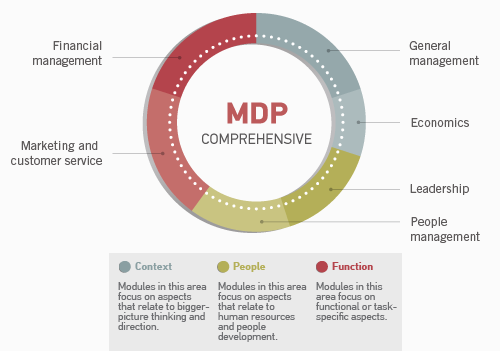
The Importance of Management Development Courses
Management development courses play a crucial role in shaping the future of organizations by nurturing competent leaders and managers. These courses are designed to enhance the skills, knowledge, and capabilities of individuals in managerial positions, enabling them to effectively lead teams, make strategic decisions, and drive organizational success.
Benefits of Management Development Courses
Improved Leadership Skills: Management development courses focus on developing essential leadership qualities such as communication, decision-making, problem-solving, and emotional intelligence. These skills are vital for effective leadership in today’s dynamic business environment.
Enhanced Strategic Thinking: Managers who undergo management development training gain a deeper understanding of strategic planning, market analysis, and organizational dynamics. This enables them to make informed decisions that align with the company’s goals and objectives.
Team Building and Motivation: Effective managers know how to build high-performing teams and motivate employees to achieve their full potential. Management development courses provide insights into team dynamics, conflict resolution, and employee engagement strategies.
Types of Management Development Courses
Leadership Training Programs: These courses focus on developing leadership skills such as communication, delegation, motivation, and conflict resolution.
Strategic Management Courses: These programs cover topics related to strategic planning, competitive analysis, innovation management, and change management.
Executive Coaching: Individualized coaching sessions help managers identify their strengths and areas for improvement while providing personalized guidance for professional growth.
Conclusion
Investing in management development courses is essential for organizations looking to cultivate a strong leadership pipeline and drive sustainable growth. By equipping managers with the necessary skills and knowledge through targeted training programs, companies can enhance their competitive advantage and adapt to evolving market demands.
8 Essential Tips for Effective Management Development Courses
- Set clear objectives and goals for the course.
- Encourage active participation from all participants.
- Provide opportunities for practical application of learning.
- Offer feedback and support throughout the course.
- Include a mix of individual and group activities.
- Ensure content is relevant to real-world management challenges.
- Promote continuous learning beyond the course duration.
- Evaluate the effectiveness of the course through assessments and feedback.
Set clear objectives and goals for the course.
Setting clear objectives and goals for management development courses is essential to ensure that participants understand what they are expected to achieve and how the course will benefit them. Clear objectives provide direction, motivation, and a sense of purpose, helping participants stay focused and engaged throughout the learning process. By establishing specific goals, both the course instructors and participants can track progress, evaluate success, and make adjustments as needed to maximize the impact of the training. Clarity in objectives and goals also enhances accountability and alignment with organizational priorities, ultimately leading to more effective skill development and leadership enhancement among participants.
Encourage active participation from all participants.
Encouraging active participation from all participants in management development courses is essential for creating a dynamic and engaging learning environment. When individuals are actively involved in discussions, activities, and exercises, they are more likely to retain information, apply new skills, and contribute valuable insights. Active participation fosters collaboration, enhances communication skills, and promotes a sense of ownership in the learning process. By valuing and encouraging the input of every participant, management development courses can maximize their effectiveness in developing well-rounded and capable leaders.
Provide opportunities for practical application of learning.
To maximize the effectiveness of management development courses, it is crucial to provide opportunities for practical application of learning. By allowing participants to apply the knowledge and skills gained in real-life scenarios, they can deepen their understanding, build confidence, and develop practical problem-solving abilities. Practical application not only reinforces learning but also enables managers to transfer their newly acquired competencies into their daily work environment, resulting in tangible improvements in leadership effectiveness and organizational performance.
Offer feedback and support throughout the course.
To maximize the effectiveness of management development courses, it is crucial to offer consistent feedback and support throughout the duration of the program. Providing constructive feedback allows participants to track their progress, identify areas for improvement, and make necessary adjustments to enhance their learning experience. Moreover, offering ongoing support demonstrates a commitment to the professional growth and success of individuals undergoing the course, fostering a supportive environment that encourages active engagement and continuous development. By prioritizing feedback and support, organizations can ensure that participants derive maximum value from management development courses and apply their newfound skills effectively in real-world managerial scenarios.
Include a mix of individual and group activities.
Incorporating a blend of individual and group activities into management development courses can significantly enhance the learning experience for participants. Individual activities allow managers to reflect on their own strengths and areas for improvement, fostering self-awareness and personal growth. On the other hand, group activities promote collaboration, communication, and teamwork skills essential for effective leadership in a corporate setting. By striking a balance between individual reflection and collective engagement, management development courses can offer a well-rounded approach to skill-building and leadership development.
Ensure content is relevant to real-world management challenges.
It is crucial to ensure that the content covered in management development courses is relevant to real-world management challenges. By addressing practical issues that managers encounter in their day-to-day roles, participants can apply the knowledge and skills gained directly to their work environments. This approach not only enhances learning effectiveness but also equips managers with the tools needed to tackle complex situations, make informed decisions, and drive organizational success.
Promote continuous learning beyond the course duration.
To maximize the benefits of management development courses, it is essential to promote continuous learning beyond the course duration. Encouraging participants to apply newly acquired knowledge and skills in their daily work, seek additional learning opportunities, and engage in ongoing professional development activities can help solidify their understanding and drive long-term growth. By fostering a culture of continuous learning within the organization, managers can stay ahead of industry trends, adapt to changing business environments, and continuously enhance their leadership capabilities for sustained success.
Evaluate the effectiveness of the course through assessments and feedback.
To ensure the success of a management development course, it is essential to evaluate its effectiveness through thorough assessments and feedback mechanisms. By conducting assessments, such as quizzes, exams, or practical assignments, participants can gauge their understanding of the course material and identify areas for improvement. Additionally, gathering feedback from participants about their learning experience, the relevance of the content, and the impact on their managerial skills can provide valuable insights for enhancing future courses and tailoring them to better meet the needs of aspiring leaders. Regular evaluation and feedback loops play a crucial role in continuously improving management development programs and ensuring they deliver tangible benefits to both individuals and organizations.


Leave a Comment