
Mastering Leadership Skills Through Strategic Training Programs
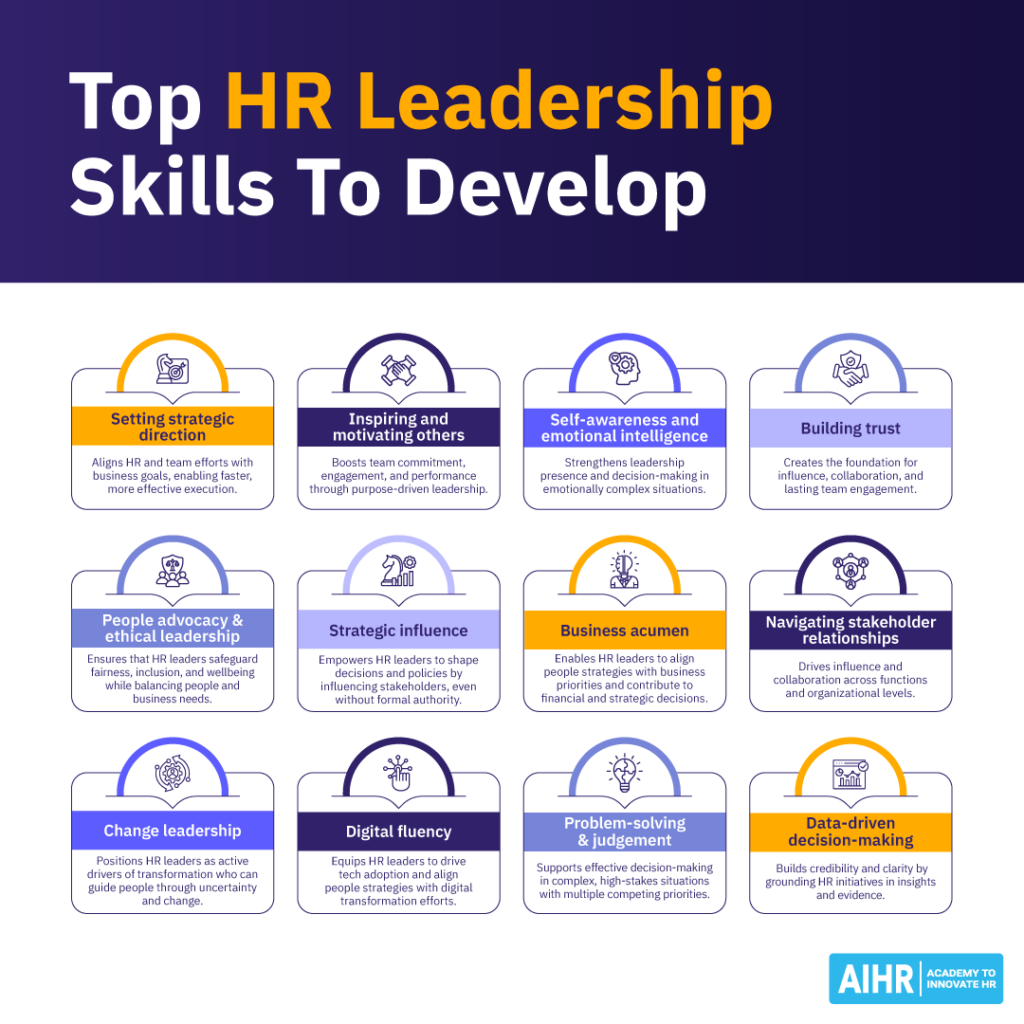
The Importance of Training in Developing Leadership Skills
Effective leadership is a crucial component of success in any organization. While some individuals may possess natural leadership abilities, most leaders benefit greatly from training and development programs that help them hone their skills.
Training plays a vital role in shaping leaders by providing them with the knowledge, tools, and techniques needed to excel in their roles. Leadership training programs often focus on areas such as communication, decision-making, conflict resolution, and strategic thinking.
Benefits of Leadership Training
Improved Communication: Effective leaders must be able to communicate clearly and persuasively with their team members. Training helps leaders develop strong communication skills that enable them to convey their vision and goals effectively.
Enhanced Decision-Making: Leaders are often required to make tough decisions under pressure. Training programs teach leaders how to analyze situations, weigh options, and make informed decisions that benefit the organization.
Conflict Resolution: Conflicts are inevitable in any workplace setting. Leaders who undergo training learn how to manage conflicts constructively, fostering a positive work environment and maintaining team cohesion.
Developing Future Leaders
Training not only benefits current leaders but also plays a crucial role in developing future leaders within an organization. By investing in leadership development programs, companies can identify individuals with potential and provide them with the necessary skills to step into leadership roles when needed.
In conclusion, training is essential for nurturing effective leaders who can drive organizational success. By investing in training programs that focus on leadership skills, companies can cultivate a strong pipeline of talented leaders who are equipped to navigate challenges and lead their teams to success.
Essential Leadership Skills and Development: FAQs on Types, Principles, and Training
- What are the 4 types of leadership skills?
- What are the 5 P’s of leadership?
- What are the 4 P’s of leadership?
- What are the skills of leadership?
- How can training develop leadership skills?
What are the 4 types of leadership skills?
When it comes to leadership skills, there are four main types that are crucial for effective leadership: technical skills, interpersonal skills, conceptual skills, and emotional intelligence. Technical skills involve proficiency in specific tasks or activities related to the job or industry. Interpersonal skills focus on communication, teamwork, and relationship-building with others. Conceptual skills involve the ability to see the bigger picture, think strategically, and make sound decisions. Emotional intelligence encompasses self-awareness, empathy, and the ability to manage emotions effectively in oneself and others. Developing a balance of these four types of leadership skills is essential for becoming a successful and well-rounded leader in any organization.
What are the 5 P’s of leadership?
The “5 P’s of leadership” refer to a set of key principles that are essential for effective leadership. These principles include Purpose, People, Process, Performance, and Persuasion. Purpose emphasizes having a clear vision and direction for the team or organization. People highlight the importance of understanding and empowering individuals within the team. Process involves establishing efficient workflows and systems to achieve goals. Performance focuses on setting and measuring key performance indicators to track success. Persuasion involves the ability to influence and inspire others towards a common goal. By embodying these 5 P’s, leaders can enhance their leadership skills and drive positive outcomes within their teams or organizations.
What are the 4 P’s of leadership?
The 4 P’s of leadership refer to a framework that outlines key attributes and qualities essential for effective leadership. These include Purpose, People, Process, and Performance. Purpose emphasizes the importance of having a clear vision and goals to guide the team towards success. People highlight the significance of building strong relationships, fostering teamwork, and supporting individual growth. Process focuses on establishing efficient systems and strategies to achieve objectives effectively. Performance underscores the need for setting high standards, measuring progress, and continuously improving outcomes. By embodying these 4 P’s, leaders can inspire their teams, drive results, and create a culture of excellence within their organizations.
What are the skills of leadership?
Leadership skills encompass a diverse set of qualities and abilities that enable individuals to guide, inspire, and influence others effectively. Some key skills of leadership include strong communication, decision-making, problem-solving, adaptability, strategic thinking, emotional intelligence, empathy, delegation, and conflict resolution. Effective leaders are able to communicate their vision clearly, make informed decisions that benefit the team or organization, navigate challenges with resilience and creativity, and build strong relationships based on trust and understanding. By continuously developing these skills through training and practice, individuals can enhance their leadership capabilities and make a positive impact in their roles.
How can training develop leadership skills?
Training plays a pivotal role in developing leadership skills by providing individuals with the knowledge, tools, and practical experiences necessary to excel in leadership roles. Through training programs focused on areas such as communication, decision-making, emotional intelligence, and conflict resolution, aspiring leaders can enhance their capabilities and confidence. Training also offers opportunities for leaders to learn from experts in the field, engage in interactive exercises, and receive valuable feedback to continuously improve their leadership skills. By investing in training that is tailored to develop specific leadership competencies, individuals can cultivate the qualities needed to inspire and guide others effectively towards achieving common goals.


Leave a Comment